
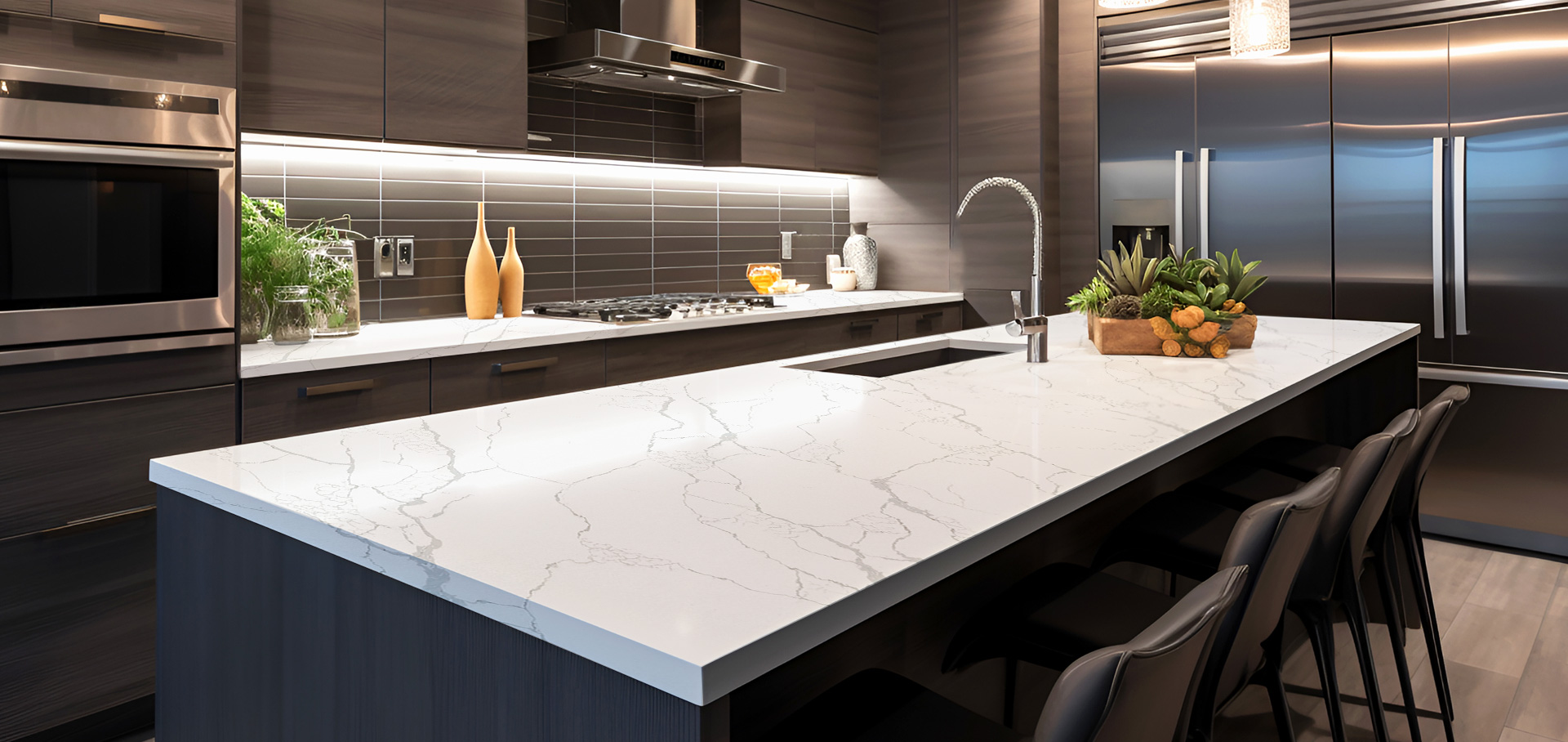
Dekton Countertops in Las Vegas: What It Is, Why It’s Superior, and Where to Get It Installed
Las Vegas homeowners exploring premium countertop options often encounter Dekton, but many aren’t sure what sets it apart from traditional materials like granite or quartz. Dekton is an ultra-compact surface made from a blend of raw materials including glass, porcelain, and quartz that undergoes an advanced manufacturing process to create one of the most durable countertop materials available. This engineered surface offers resistance to heat, scratches, stains, and UV rays that exceeds most natural and synthetic alternatives.
If you’re planning a kitchen remodel or outdoor living space in Las Vegas, understanding Dekton’s unique properties can help you make an informed decision for your home. The material’s ability to withstand extreme temperatures and direct sunlight makes it particularly suitable for the desert climate. This guide covers everything from Dekton’s composition and performance benefits to pricing, design options, and where to find certified installers in the Las Vegas area.
Whether you’re comparing materials or ready to move forward with your project, you’ll learn why Dekton has become a popular choice for both indoor kitchens and outdoor applications throughout the valley.
[/vc_row] Get a free estimate for quartz countertops, granite and marble countertops, slab shower walls, and custom stone fabrication in Las Vegas. Our team will review your project, answer your questions, and recommend the best options for your space, style, and budget.
Free Estimate
What Is Dekton? The Science and Composition
Dekton is an ultra-compact surface manufactured by Cosentino, a Spanish company, through an advanced sintering process that fuses raw materials from glass, porcelain, and quartz into a dense, non-porous slab. The material contains zero resin and relies entirely on extreme heat and pressure to bond its components at a molecular level.
Ultra-Compact Surface Technology
Ultra-compact surface technology represents a significant advancement in countertop materials. Dekton achieves its exceptional density through a manufacturing process that applies 25,000 tons of uniform pressure to raw materials. This intense compression eliminates micro-defects and weak points that exist in traditional surfaces.
The ultracompaction process creates a material with null porosity. You won’t find air pockets or gaps within the structure, which explains why Dekton resists water, stains, and bacteria more effectively than porous materials like granite or marble.
This technology produces slabs that maintain structural integrity under conditions that would damage conventional countertops. The absence of resins or binding agents means Dekton won’t degrade from UV exposure or extreme temperatures.
How Dekton Is Made: The Sintering Process
The sintering process that creates dekton sintered stone mimics the metamorphic changes natural stone undergoes over thousands of years, but accelerates it into a matter of hours. Cosentino’s proprietary TSP (Technology of Sinterized Particle) technology applies extreme heat exceeding 1,200°C while simultaneously compressing raw materials under massive pressure.
During sintering, the particles fuse together at a molecular level without melting completely. This differs from traditional manufacturing methods that rely on chemical binders or resins. The heat causes the material particles to bond permanently, creating a uniform structure throughout the entire slab.
The controlled environment allows for consistent coloration and patterning. Unlike natural stone where every slab varies significantly, the sintering process produces predictable results while still achieving authentic stone aesthetics.
Key Components: Glass, Porcelain, and Quartz
What is dekton made of comes down to three primary raw material families. The blend incorporates components used in glass manufacturing, porcelain production, and quartz surfaces. Each material contributes specific properties to the final product.
Glass components provide clarity and light reflection, contributing to Dekton’s visual depth and certain translucent qualities in lighter colors. Porcelain materials deliver exceptional hardness and scratch resistance, making the surface suitable for high-traffic applications. Quartz elements add structural strength and resistance to thermal shock.
The exact proportions remain proprietary to Cosentino. However, the absence of resins distinguishes Dekton from engineered quartz, which typically contains 7-10% polymer binders. This resin-free composition allows Dekton to withstand direct heat and UV exposure without discoloration or degradation.
What Sets Dekton Apart from Other Countertop Materials
Dekton’s particle sintering technology creates performance characteristics that differentiate it from both natural stone and engineered alternatives. The material earns an A1 fire resistance certification, meaning it’s classified as non-combustible. You can place hot pans directly on the surface without scorching or thermal shock damage.
The ultra-low porosity makes Dekton more stain-resistant than granite or marble, which require periodic sealing. Unlike quartz countertops, Dekton maintains color stability under direct sunlight, making it suitable for outdoor kitchens in Las Vegas’s intense UV environment.
Dekton also outperforms standard porcelain in abrasion resistance testing. The surface hardness registers higher on the Mohs scale than most competing materials, which translates to superior scratch resistance during daily kitchen use. This durability comes without sacrificing design flexibility, as Dekton is available in multiple thicknesses from 4mm to 30mm and formats up to 3200 x 1440mm.
Superior Performance: Dekton’s Advantages
Dekton stands apart from traditional countertop materials through its manufacturing process that applies 25,000 tons of uniform pressure, creating an ultra-compact surface with zero porosity and no micro-defects. This results in performance characteristics that exceed standard porcelain and most natural stone options across heat resistance, durability, and maintenance requirements.
Exceptional Durability and Heat Resistance
Dekton surfaces withstand extreme conditions that would damage other countertop materials. The ultra-compaction process creates a surface with over five times the flexural strength of granite, allowing for unsupported overhangs up to 12 inches on kitchen islands and bartops without risk of cracking or breaking.
Heat resistance is where Dekton truly excels. You can place hot pots and pans directly on the surface without causing damage or discoloration. The material’s low coefficient of thermal expansion means it resists thermal shock from sudden temperature changes, making it ideal for both indoor kitchens and outdoor cooking areas in Las Vegas’s extreme climate.
The A1 fire certification classifies Dekton as a non-combustible material. This high compressive strength also makes it suitable for high-traffic applications like walkways and driveways, not just countertops.
UV, Stain, and Scratch Resistance
Your Dekton countertops will maintain their appearance indefinitely under Las Vegas’s intense sunlight. Unlike many materials that fade or degrade when exposed to UV rays, Dekton remains completely unaffected, preserving its color and finish exactly as it looked on installation day.
The near-zero porosity of Dekton creates exceptional stain resistance. Spills from wine, coffee, oil, and acidic substances wipe away easily with standard soap and water. You won’t need special cleaners or sealants to maintain the surface’s resistance to liquids.
Dekton’s scratch resistance outperforms standard porcelain surfaces significantly. You can use your countertops as cutting surfaces without worrying about knife marks, though cutting boards are still recommended for blade longevity. This scratch resistance is particularly valuable in busy kitchens where durability matters most.
Indoor and Outdoor Versatility
Dekton functions equally well in both interior and exterior applications. For outdoor countertops in Las Vegas, this material handles the temperature extremes, from scorching summer heat exceeding 110°F to occasional winter freezes, without cracking, fading, or requiring seasonal maintenance.
You can create continuous designs between your indoor kitchen and outdoor entertaining areas using the same Dekton surface. The material is available in multiple thicknesses (4mm, 8mm, 12mm, 20mm, and 30mm) and large format slabs up to 3200 x 1440mm, allowing for installations with minimal visible seams.
The abrasion resistance makes Dekton suitable for flooring, wall cladding, and building facades in addition to countertops. This versatility means you can use matching materials throughout your home for a cohesive design aesthetic.
Minimal Maintenance and Hygiene Benefits
Maintenance requirements for Dekton are minimal compared to natural stone or even quartz surfaces. You simply clean with soap and water—no special products, no periodic sealing, and no concerns about harsh chemicals damaging the surface.
The non-porous nature of Dekton prevents bacteria, mold, and mildew growth. This makes it an exceptionally hygienic choice for kitchen and bathroom applications where food safety and cleanliness are priorities. Stains remain on the surface rather than penetrating into the material, so they remove completely during normal cleaning.
The material’s resistance to chemicals means you can use standard household cleaners without worrying about etching or dulling the finish. This durability extends the lifespan of your investment while reducing ongoing maintenance costs and effort.
Comparing Dekton: Dekton vs Quartz and Other Materials
Dekton stands out among countertop materials due to its ultra-compact composition and sintered stone technology. When comparing it to quartz, granite, and porcelain, you’ll find distinct differences in heat resistance, durability, and suitability for Las Vegas’s intense climate.
Dekton vs Quartz: A Direct Comparison
Both Dekton and quartz are engineered materials, but they’re made through different processes. Quartz combines natural quartz crystals with resin and pigments, while Dekton uses particle sintering technology that fuses glass, porcelain, and quartz under extreme heat and pressure.
Heat resistance is where Dekton has a clear advantage. You can place hot pans directly on Dekton without damage, which is particularly useful in busy Las Vegas kitchens. Quartz requires trivets or hot pads because the resin can discolor or burn under high heat.
UV stability matters in Las Vegas’s intense sunlight. Dekton won’t fade when exposed to UV rays, making it suitable for outdoor kitchens and sun-filled rooms. Quartz will discolor over time in direct sunlight, limiting it to indoor applications only.
| Feature | Dekton | Quartz |
|---|---|---|
| Heat Resistance | Excellent – no trivets needed | Moderate – requires protection |
| UV Resistance | Won’t fade in sunlight | Can discolor outdoors |
| Cost per sq. ft. | $60-$120+ installed | $50-$100 installed |
| Best Use | Indoor and outdoor | Indoor only |
Your choice depends on where you’ll use the countertop. Dekton costs more upfront but handles Las Vegas’s climate better for outdoor spaces.
Dekton vs Granite and Porcelain Countertops
Granite is a natural stone that requires periodic sealing to prevent stains. Dekton is non-porous and never needs sealing, which means less maintenance in your Las Vegas home. Granite can also crack under thermal shock, while Dekton’s engineered composition resists temperature changes better.
Porcelain countertops share similarities with Dekton since both are heat-resistant and UV-stable. However, Dekton’s ultra-compaction process creates a denser, more impact-resistant surface. Porcelain slabs can be thinner and more prone to chipping at edges during fabrication and installation.
Dekton outperforms granite in maintenance requirements and surpasses porcelain in impact resistance. For Las Vegas homeowners who want durability without the upkeep of natural stone, Dekton offers the best balance of performance and longevity across different countertop materials.
Design, Colors, and Applications for Las Vegas Homes
Dekton surfaces offer exceptional design flexibility for Las Vegas homes, with options that withstand the intense UV exposure and temperature swings unique to the area. The material’s durability and wide range of finishes make it suitable for multiple applications throughout your home.
Popular Dekton Colors and Finishes
Dekton countertops come in a diverse palette that ranges from classic neutrals to bold contemporary statements. Popular choices for Las Vegas homes include lighter tones that reflect heat and resist fading under prolonged sun exposure, as well as darker dramatic colors that maintain their richness despite UV radiation.
The surfaces are available in multiple finish options. Matte finishes provide a sophisticated, modern look while minimizing glare in bright Las Vegas kitchens. Polished finishes offer high shine and depth, though they may show fingerprints more readily. Textured finishes add dimension and help hide minor wear in high-traffic areas.
Color stability is a significant advantage in Las Vegas’s harsh climate. Dekton surfaces resist fading and discoloration even with direct sunlight exposure for four to six hours daily, which is common in south- and west-facing rooms.
Ideal Spaces: Kitchens, Bathrooms, and Outdoor Areas
Dekton performs exceptionally well in kitchens where its heat resistance allows you to place hot pots directly on the surface without damage. The material’s stain resistance handles spills from wine, coffee, and acidic substances without requiring immediate cleanup or leaving permanent marks.
Bathroom applications benefit from Dekton’s non-porous nature, which prevents water absorption and bacterial growth. You can use it for vanity tops, shower walls, and flooring without concerns about moisture damage.
Outdoor countertops are where Dekton truly excels in Las Vegas. The material withstands extreme temperature fluctuations between day and night, resists UV degradation, and maintains its structural integrity through summer heat exceeding 110°F. You won’t need to seal or coat the surface, making maintenance minimal for outdoor kitchens and entertaining spaces.
Custom Kitchen Islands and Architectural Features
Kitchen islands clad in Dekton create stunning focal points with seamless, large-format installations. The material’s slim profile allows for dramatic waterfall edges and integrated sinks without the weight concerns of traditional stone.
You can extend Dekton beyond horizontal surfaces. Backsplashes, wall cladding, and fireplace surrounds benefit from the material’s scratch resistance and dynamic visual appeal. The consistency between Dekton countertops and vertical applications creates cohesive design schemes.
Architectural features like room dividers, stair treads, and flooring utilize Dekton’s durability. The surface handles foot traffic and impact better than many alternatives while maintaining its appearance without polishing or special treatments.
Cost of Dekton Countertops and Value Over Time
Dekton countertops in Las Vegas typically cost between $80 and $210 per square foot installed, though the material itself ranges from $40 to $110 per square foot before fabrication and installation. The upfront investment delivers long-term value through minimal maintenance needs and exceptional durability in the desert climate.
Average Pricing and What Influences Cost
Material costs for Dekton slabs start at $40 per square foot for standard finishes and reach $110 per square foot for premium colors and textures. When you factor in fabrication and installation labor, your total project cost typically lands between $2,500 and $9,000 for a standard 25–40 square foot kitchen.
Several factors directly affect your final dekton cost. Slab thickness plays a significant role—3 cm slabs cost more than 2 cm options but offer greater durability. Edge profiles add $5 to $28 per linear foot depending on complexity, with simple beveled edges at the low end and full bullnose profiles commanding premium prices.
Seam placement and quantity impacts both material waste and labor hours, adding $6 to $25 per seam. Las Vegas installers may charge slightly above national averages due to regional labor markets and delivery distances from distribution centers. Your project’s complexity—including cutouts for sinks, cooktops, or specialty appliances—extends installation time and increases labor costs accordingly.
Dekton Cost vs Investment
Dekton sits in the mid-to-high range compared to other premium surfaces, but the material’s performance characteristics justify the expense for many Las Vegas homeowners. The upfront dekton cost compares favorably to natural stone options that require ongoing sealing and maintenance.
You gain immediate value through Dekton’s heat resistance, which matters in Las Vegas homes where direct sunlight can elevate surface temperatures considerably. The non-porous surface resists staining without special treatments, eliminating the recurring costs of sealants that natural stone demands every 1–2 years.
Scratch and UV resistance preserve your countertops’ appearance over decades, maintaining home value without refinishing expenses. While initial costs may exceed laminate or basic tile, you avoid replacement cycles that cheaper materials require within 5–10 years.
Warranty and Long-Term Savings
Dekton countertops come with manufacturer warranties that typically cover manufacturing defects for 10–25 years, depending on your specific product line and installer. You should verify warranty terms with your Las Vegas fabricator, as coverage details vary by distributor and installation company.
Maintenance costs remain minimal throughout the countertop’s lifespan. You need only basic soap and water for daily cleaning, with no special sealers, polishes, or protective treatments required. This eliminates the $100–300 annual maintenance costs associated with natural stone surfaces.
Energy efficiency contributes to long-term savings in Las Vegas homes. Dekton’s thermal properties help moderate surface temperatures, reducing heat transfer into your kitchen space during summer months. The material’s longevity—often exceeding 25–30 years without replacement—spreads your initial investment across decades of daily use.
Where to Buy and Install Dekton Countertops in Las Vegas
Several certified fabricators in Las Vegas specialize in Dekton installation, with showrooms where you can view samples and discuss your project. Working with a certified installer ensures proper handling of the material and warranty protection for your investment.
Certified Dekton Installers and Local Showrooms
Only select fabricators in Las Vegas hold official Dekton certification, which indicates they’ve received specialized training in handling and installing these ultra-compact surfaces. Vegas Granite and Marble is one of the few certified Dekton installers in the area, offering both expertise and warranty backing.
Visiting a showroom allows you to see full slabs and evaluate colors, finishes, and patterns in person. Most certified installers maintain extensive Dekton displays where you can examine the material’s thickness options and surface textures.
Other companies offering Dekton in Las Vegas include Signature Stone, which provides fabrication and installation services, and Creative Stoneworks, which features Dekton alongside other premium materials. You can also find Dekton samples at retail locations like Lowe’s, though these stores typically don’t handle fabrication or installation directly.
Vegas Granite and Marble: What Sets Them Apart
Vegas Granite and Marble holds official Dekton certification, positioning them among the qualified fabricators in Las Vegas capable of properly working with these surfaces. Their certification means they follow manufacturer specifications for cutting, handling, and installing Dekton countertops.
The company offers free design consultations where you can discuss your project requirements and explore available Dekton options. Their team helps you evaluate factors like durability needs, aesthetic preferences, and budget constraints to identify suitable choices for your space.
Their service covers both indoor and outdoor applications, including kitchen countertops, bathroom vanities, outdoor kitchens, and facades. The fabrication process uses specialized equipment designed for ultra-compact surfaces, ensuring precise cuts and proper edge treatments.
What to Expect During Installation
The installation process begins with a site measurement after you’ve selected your Dekton slab. Fabricators create a template of your countertop area to ensure accurate cuts and proper fit, accounting for sinks, cooktops, and other cutouts.
Fabrication typically takes 1-2 weeks depending on complexity and the shop’s schedule. The installer cuts your Dekton slab to size, creates necessary cutouts, and finishes the edges according to your specifications.
Installation day usually requires 4-6 hours for a standard kitchen layout. Installers secure the Dekton slabs to your cabinets and apply seams if multiple pieces are needed. Unlike natural stone, Dekton doesn’t require sealing, so your countertops are ready to use immediately after installation.
Frequently Asked Questions
Dekton is manufactured through a unique sintering process that fuses raw materials under extreme heat and pressure, creating a non-porous surface with exceptional resistance to heat, scratches, and UV exposure. Understanding the composition, costs, and performance characteristics helps you make an informed decision for your Las Vegas home.
What are Dekton countertops made of?
Dekton contains a blend of raw materials used in glass, porcelain, and quartz production. The manufacturing process uses TSP (Technology of Sinterized Particle), which subjects these materials to extreme heat and pressure to create an ultra-compact surface.
Unlike quartz countertops that use polymer resins as binders, Dekton contains zero resin. This sintering process makes the material completely non-porous and gives it superior resistance to thermal shock and UV light compared to other engineered surfaces.
How does Dekton compare to quartz in durability and maintenance?
Dekton surpasses quartz in several key performance areas. You can place hot pans directly on Dekton without risk of damage, while quartz can scorch or discolor from high heat. Dekton also offers superior UV resistance, making it suitable for outdoor applications where quartz would fade over time.
Both materials resist stains effectively due to their non-porous nature. Dekton ranks higher on the Mohs scale of mineral hardness, providing better scratch resistance than most quartz products.
For maintenance, both require only soap and water for daily cleaning. Dekton’s complete resistance to heat and UV gives it an advantage in harsh conditions or outdoor kitchens.
What are the pros and cons of Dekton countertops for kitchens and bathrooms?
The primary advantages include exceptional heat resistance, scratch resistance, and UV stability. You can use Dekton in direct sunlight without worrying about color fading, and its non-porous surface prevents bacteria growth and staining in high-use areas.
Dekton offers extensive design options with matte, polished, and textured finishes available in various colors. The material works well for integrated sinks, seamless edges, and full-height backsplashes.
The main drawback is cost, as Dekton typically prices higher than quartz or granite. Additionally, professional installation is essential because the material’s hardness makes it challenging to cut and fabricate, and edges can chip if struck with significant force at certain angles.
What is the average cost of Dekton countertops, including fabrication and installation?
Dekton countertops in Las Vegas typically range from $80 to $150 per square foot installed. This price includes the material, fabrication, and professional installation.
Your final cost depends on factors like slab color and finish selection, edge profile complexity, and cutout requirements for sinks and cooktops. Custom features like integrated sinks or waterfall edges increase the total investment.
Premium or rare color selections can push costs toward the higher end of the range. Standard colors and simpler edge profiles help keep costs more moderate.
What thickness options are available for Dekton countertops, and which is best for my project?
Dekton comes in three standard thickness options: 8mm, 12mm, and 20mm. The 12mm thickness is the most popular choice for kitchen countertops, offering durability and a contemporary look without excessive weight.
The 20mm thickness works well for applications requiring extra visual weight or when you want a more substantial edge profile. This thickness is also preferred for outdoor kitchens and high-traffic commercial spaces.
The 8mm option suits wall cladding, backsplashes, and applications where weight is a concern. You can also use multiple layers to create thicker edge profiles while maintaining a thinner overall slab.
Can Dekton countertops handle direct heat, such as placing a hot pan on the surface?
Yes, Dekton withstands extreme temperatures without damage. You can place pots and pans directly from the stovetop or oven onto the surface without causing burns, discoloration, or thermal shock.
The sintering process that creates Dekton involves temperatures exceeding 2,000 degrees Fahrenheit. This manufacturing method makes the finished product resistant to heat far beyond what you would encounter in typical kitchen use.
While Dekton handles heat exceptionally well, using trivets remains a good practice to protect cookware finishes and prevent noise from metal-on-stone contact.
0 comments