
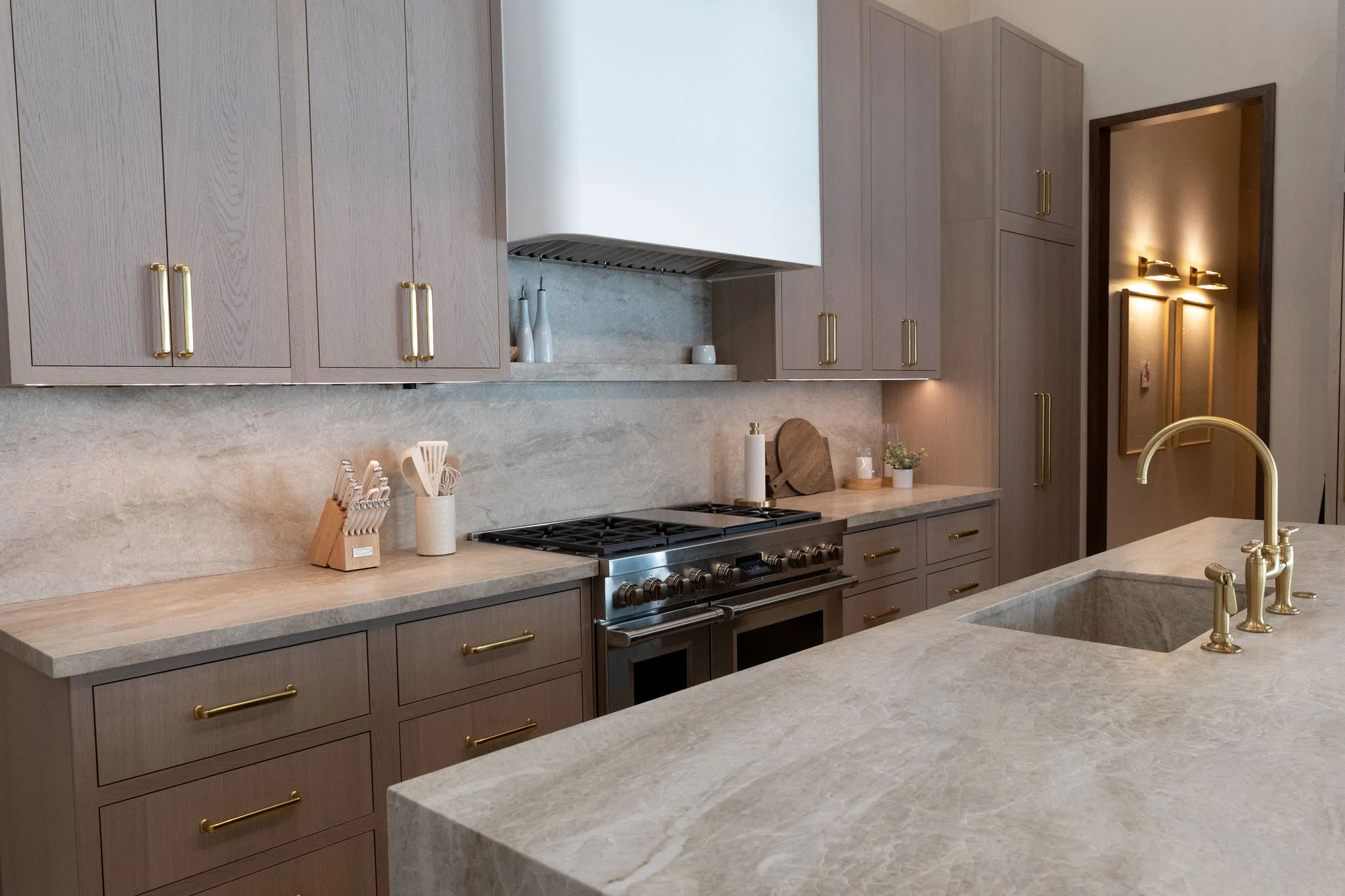
Quartz Kitchen Worktops: Why Las Vegas Homeowners Love This Surface
Las Vegas homeowners face unique challenges when choosing kitchen surfaces. The intense desert heat, low humidity, and active lifestyle demand materials that can withstand daily wear while maintaining their appearance. Quartz kitchen worktops have emerged as a leading choice for residents who want both durability and style without constant maintenance.
Quartz countertops combine engineered strength with natural beauty, offering a non-porous surface that resists stains, requires no sealing, and maintains its appearance for decades. Unlike natural stone options that need regular upkeep, quartz delivers consistent performance in the demanding Las Vegas climate. You get a surface that handles everything from temperature fluctuations to heavy kitchen use without compromising on aesthetics.
This guide walks you through what makes quartz an ideal choice for your Las Vegas kitchen. You’ll learn about the practical benefits, design options, installation process, and long-term value that explain why your neighbors continue choosing this surface for their homes.
Free Estimate
Get a free estimate for quartz countertops, granite and marble countertops, slab shower walls, and custom stone fabrication in Las Vegas. Our team will review your project, answer your questions, and recommend the best options for your space, style, and budget.
What Sets Quartz Kitchen Worktops Apart
Quartz kitchen worktops distinguish themselves through engineered precision, consistent performance, and practical advantages that natural stone cannot match. Understanding these differences helps you make informed decisions for your Las Vegas kitchen renovation.
Engineered Versatility and Consistency
Quartz countertops consist of 90 to 95 percent natural quartz crystals combined with polymer resins and pigments. This engineered composition allows manufacturers to create surfaces with uniform patterns and colours throughout each slab.
Unlike natural stone, you won’t find unexpected veining or colour variations that can complicate design planning. When you select a quartz pattern, every square foot maintains the same appearance.
This consistency proves especially valuable when matching multiple slabs for larger kitchen installations. You can specify exact shades ranging from pure whites to deep charcoals, or opt for patterns that mimic natural stone without its unpredictability. The engineering process also allows for finishes from high-gloss polished to subtle honed textures, giving you control over both aesthetics and tactile experience.
Comparing Quartz and Granite Countertops
Granite countertops remain popular, but quartz worktops offer distinct practical benefits. Granite is porous and requires regular sealing—typically once or twice yearly—to prevent staining and bacterial growth. Quartz eliminates this maintenance requirement entirely.
Key Differences:
| Feature | Quartz | Granite |
|---|---|---|
| Porosity | Non-porous | Porous (requires sealing) |
| Pattern consistency | Uniform | Natural variation |
| Maintenance | Minimal | Regular sealing needed |
| Durability | Higher impact resistance | Can crack or chip more easily |
Both countertop materials handle heat well, though neither should face prolonged direct contact with extremely hot cookware. Quartz slabs generally resist scratching better than softer granite varieties due to their engineered hardness.
Non-Porous Advantages
The non-porous nature of quartz worktops delivers tangible benefits for your kitchen. Liquids cannot penetrate the surface, which means spills from wine, coffee, or cooking oils sit on top rather than seeping in. You can wipe them away without leaving permanent marks.
This impermeability also blocks bacteria and mould from finding places to grow within the material. For families concerned about food safety and hygiene, this characteristic provides peace of mind that porous countertop materials cannot offer.
Daily cleaning requires only warm water and mild soap—no special products or treatments needed. This simplicity saves both time and money over the lifespan of your countertops.
Top Reasons Las Vegas Homeowners Love Quartz
Quartz countertops deliver the perfect combination of resilience and aesthetic appeal for Valley homes. These engineered surfaces handle the demands of active households while offering design versatility that complements both contemporary and traditional desert interiors.
Durability for Busy Kitchens
Quartz ranks among the hardest countertop materials available, composed of natural quartz crystals blended with resins and pigments. This engineered composition makes your kitchen countertops exceptionally resistant to chips, cracks, and scratches from daily food preparation. Unlike natural stone surfaces, quartz maintains its structural integrity even under heavy use.
The non-porous nature of quartz prevents liquid absorption, which stops bacteria growth and mold development before they start. You won’t encounter the staining issues common with porous materials. Hot pans require trivets for best practices, though quartz offers solid heat tolerance for typical kitchen activities.
Your countertops maintain their polished finish and smooth edges year after year without degrading. This longevity matters in Las Vegas homes where kitchen renovations represent significant investments in property value.
Low Maintenance and Hygiene
Quartz requires no sealing, unlike granite or marble surfaces that demand regular reapplication. Your maintenance routine consists of wiping surfaces with mild soap and water. This simplicity saves you time and eliminates ongoing maintenance costs.
The sealed surface blocks bacteria and prevents contamination from food preparation. You can confidently prepare meals knowing your countertops won’t harbor harmful microorganisms in microscopic pores. This hygienic advantage proves especially valuable in busy family kitchens.
Spills wipe clean without leaving permanent marks or requiring specialized cleaners. Your quartz countertops stay looking fresh with minimal effort, giving you more time to enjoy your home.
Style Flexibility for Desert Homes
Quartz offers extensive design options that range from minimalist solid colors to patterns mimicking natural stone. You can select surfaces with subtle veining, bold statements with shimmering particles, or clean contemporary looks. This variety ensures you’ll find options matching your specific aesthetic vision.
The engineered manufacturing process allows for consistent coloring and patterning throughout your kitchen countertops. You avoid the unpredictability of natural stone while achieving sophisticated visual appeal. Desert-inspired neutral tones complement Las Vegas architectural styles, while bolder choices create striking focal points.
Your selected finish integrates seamlessly with cabinetry, flooring, and backsplash choices. The polished finish reflects light beautifully in sun-filled desert homes, enhancing your kitchen’s brightness and spaciousness.
Design Choices: Colors, Patterns, and Finishes
Quartz countertops offer extensive customization through pigments mixed during manufacturing, giving you control over your kitchen’s aesthetic while maintaining durability. The variety spans from natural stone mimics to bold contemporary statements.
Popular Quartz Colors and Styles
Quartz manufacturers create surfaces in virtually unlimited colors by adding pigments to crushed quartz crystals and resin during production. The most requested options include whites, grays, and beiges that complement Las Vegas homes’ modern and transitional designs.
Natural stone-look patterns remain consistently popular, with marble-inspired veining and granite-style speckled finishes. These engineered surfaces provide the visual appeal of natural stone without the maintenance requirements. The uniform appearance of quartz slabs makes matching easier during installation compared to natural materials.
Darker shades like charcoal and black offer dramatic contrast in contemporary kitchens. Mid-tone options in taupe and warm gray work well with various cabinet colors and flooring choices. The size of quartz granules affects the overall appearance, with larger granules creating busier patterns and finer particles producing smoother, more uniform looks.
Choosing Between White Quartz and Bold Patterns
White quartz remains the most versatile choice for kitchen worktops, brightening spaces and providing a clean backdrop for other design elements. These lighter shades resist stains effectively despite their pale appearance, though you should test samples with coffee, oil, and wine before finalizing your selection.
Bold veined patterns in dark colors create focal points in kitchens with neutral cabinetry. These dramatic surfaces work particularly well on islands or feature walls. Consider how your chosen pattern will coordinate with your cabinet finish and flooring to maintain visual balance throughout the space.
Solid colors without veining offer a more contemporary aesthetic and simplify the design process. These options pair seamlessly with patterned backsplashes and decorative tile work. The homogenous nature of quartz ensures consistent color throughout the slab, eliminating concerns about variation between sections.
Seamless Looks and Modern Edges
Edge profiles significantly impact your countertop’s final appearance, ranging from simple straight edges to more decorative options like beveled or bullnose styles. Clean, squared edges complement modern kitchens, while rounded profiles soften traditional designs.
Thickness options typically include 2cm and 3cm slabs, with thicker materials providing a more substantial appearance. Thicker quartz creates a luxurious look and allows for more dramatic edge treatments. Your choice affects both aesthetics and installation costs.
Polished finishes remain standard, delivering high shine and enhanced color depth. Some manufacturers offer matte or honed finishes for a softer, more contemporary feel. These alternative finishes can help your quartz coordinate better with specific flooring materials or cabinet hardware selections.
The Quartz Countertop Installation Experience in Las Vegas
Las Vegas countertop companies typically follow a structured process that includes showroom selection, professional measurement, and expert installation. Most providers offer free estimates and complete the entire project within one to two weeks.
Showroom Visits and Slab Selection
When you visit a Las Vegas showroom, you’ll find displays featuring various quartz brands, colors, and patterns. Most showrooms stock both prefab and custom slabs, allowing you to see the actual material rather than relying solely on small samples.
During your visit, you can compare different manufacturers and edge profiles. Staff members will show you how different lighting affects the appearance of each slab, which matters in Las Vegas homes with varying natural light conditions. Many showrooms maintain inventory of popular colors for faster turnaround times.
You’ll need to consider thickness options, typically 2cm or 3cm, and decide on edge treatments like bullnose, beveled, or waterfall designs. The showroom staff can provide samples to take home for comparison against your existing cabinets and flooring.
On-Site and Free Estimate Process
Most Las Vegas quartz installers provide free estimates at your home. A technician will measure your existing countertops, check cabinet level and stability, and assess any plumbing or electrical considerations.
The estimator will document your sink and cooktop cutout requirements and discuss your preferences for seam placement. You’ll receive a detailed quote that breaks down material costs, fabrication fees, and installation charges. This visit typically takes 30 to 45 minutes.
The estimate should specify the timeline from template creation to final installation. Many companies provide written quotes within 24 to 48 hours of the on-site visit.
Professional Installation Steps
Professional installation begins with creating a precise template of your countertop area. Fabricators use this template to cut and polish your quartz slabs at their facility, which takes three to seven days.
On installation day, crews remove your old countertops if needed and verify cabinet readiness. They’ll place the fabricated quartz pieces, ensuring proper support and minimal seams. Installers apply color-matched adhesive and secure the sections before making final cutouts for sinks and fixtures.
The crew will seal seams, attach undermount sinks if requested, and clean the surface. Most installations are completed in four to eight hours depending on kitchen size and complexity.
Beyond the Kitchen: Quartz for Bathroom Vanities and More
Quartz surfaces extend far beyond kitchen countertops in Las Vegas homes. The same properties that make quartz ideal for food preparation—moisture resistance, durability, and low maintenance—translate perfectly to bathrooms, utility spaces, and even outdoor applications.
Quartz Bathroom Vanities and Shower Surrounds
Quartz bathroom vanities handle moisture without requiring sealing or special treatment. The nonporous surface prevents water absorption, which stops mold and bacteria growth in your bathroom’s humid environment.
You can wipe down quartz vanities with warm water and a soft cloth. No specialized cleaners or regular resealing are necessary, unlike natural stone options that demand ongoing maintenance.
Key advantages for bathroom applications:
- Resists water stains and etching from toothpaste, cosmetics, and cleaning products
- Maintains its appearance without polishing or reconditioning
- Available in designs that coordinate with your kitchen surfaces
Quartz shower surrounds offer seamless installation options with minimal grout lines. This creates a cleaner appearance while reducing areas where moisture can penetrate. The material withstands daily temperature fluctuations from hot showers without cracking or warping.
Applications in Laundry, Offices, and Outdoor Spaces
Your laundry room benefits from quartz’s stain resistance against detergents, bleach, and fabric treatments. The durable surface handles dropped items and heavy laundry baskets without showing damage.
Home office desktops made from quartz resist scratches from everyday use while providing an attractive work surface. The material stays cool to the touch, which many people prefer for desk applications.
For outdoor applications in Las Vegas, you need to consider heat exposure carefully. While quartz handles moisture well, direct sunlight and extreme temperatures can cause thermal shock or discoloration. Covered outdoor kitchens or shaded bar areas work better than fully exposed installations. Some manufacturers offer UV-resistant options specifically designed for outdoor use, though these typically cost more than standard quartz products.
Quartz Countertop Cost and Long-Term Value
Quartz kitchen worktops typically cost between $50 and $200 per square foot installed in Las Vegas, with most homeowners spending $70 to $100 per square foot. Understanding pricing factors and the return on investment helps you make an informed decision for your kitchen renovation.
What Influences Quartz Kitchen Worktop Pricing
Material quality creates the biggest price variation in quartz countertops. Premium quartz with 7-8% resin content costs $80 to over $100 per square foot, while builder’s grade options with 12%+ resin run $50 to $60 per square foot.
Your project’s square footage directly impacts total cost. A standard 30-square-foot kitchen countertop averages $2,100 to $3,000 installed, while larger layouts with islands can reach $6,000 to $8,000.
Edge profiles add $5 to $60 per linear foot depending on complexity. Simple eased edges cost less than decorative profiles like full bullnose or beveled edges. Each cutout for sinks, faucets, or cooktops adds $100 to $200 to your installation cost.
Slab thickness affects both price and durability. Standard 2cm slabs cost 15-20% less than 3cm options, though thicker slabs provide better visual impact and strength for high-use areas.
Cost vs. Value in Las Vegas Homes
Quartz countertops deliver strong returns in the Las Vegas market. Installation costs run slightly higher than the national average due to local labor rates, but the investment pays off through durability and buyer appeal.
Your quartz countertops can last 20+ years without needing replacement, unlike laminate that may require updating every 10 years. The non-porous surface resists staining and never requires sealing, saving you maintenance costs that granite demands annually.
Las Vegas homebuyers actively seek quartz in kitchen remodels. The material’s heat resistance handles the demands of active cooking, while its low maintenance appeals to busy households. When you sell, updated quartz countertops help your home compete in the competitive Las Vegas real estate market.
Installation typically takes 1-2 weeks from measurement to completion. You’ll pay $10 to $30 per square foot for professional installation, which includes template creation, fabrication, and proper seam joining.
Frequently Asked Questions
Las Vegas homeowners considering quartz worktops often have specific concerns about performance in the desert climate, daily maintenance requirements, and how this engineered surface compares to natural stone alternatives.
What makes quartz worktops a practical choice for Las Vegas kitchens?
Quartz worktops offer a non-porous surface that resists staining and doesn’t require sealing, making them ideal for busy households. You can wipe up spills quickly without worrying about absorption or permanent marks.
The engineered composition contains approximately 90% natural quartz crystals combined with resins, creating a surface that withstands daily wear better than many alternatives. You won’t need to follow complicated maintenance routines or purchase specialized cleaning products.
Quartz maintains its appearance consistently over time without the color variations or natural flaws found in stone. This predictability helps you achieve a uniform look across your entire kitchen installation.
How does quartz perform in extreme heat and dry desert conditions?
Quartz worktops can withstand temperatures up to 150°C (300°F), but you should still use trivets or hot pads when placing cookware directly from the stove or oven. The resin binder in quartz can experience thermal shock from sudden extreme heat exposure.
Las Vegas’s dry climate doesn’t negatively affect quartz since the material is already non-porous and doesn’t expand or contract with humidity changes. You won’t see cracking or warping from the desert environment that sometimes affects other materials.
The consistent indoor temperatures in most Las Vegas homes help quartz maintain its structural integrity. Your worktops won’t develop the stress cracks that can occur in natural stone subjected to temperature fluctuations.
How do white quartz worktops hold up against stains and discoloration in everyday cooking?
White quartz worktops resist staining effectively because of their non-porous composition. You can spill coffee, wine, or tomato sauce and clean it up without leaving permanent marks.
The engineered nature of quartz means the white color runs throughout the material rather than just sitting on the surface. Minor scratches won’t reveal a different color underneath.
You should still wipe up spills promptly to maintain the pristine appearance. While quartz resists stains better than marble or granite, allowing acidic substances or strong dyes to sit for extended periods isn’t recommended.
Do black quartz worktops show fingerprints, dust, or water spots more than lighter colours?
Black quartz surfaces do show fingerprints, water spots, and dust more visibly than lighter shades. This applies to polished finishes more than honed or matte surfaces.
You’ll need to wipe down black quartz more frequently to maintain a clean appearance. Microfiber cloths work well for removing smudges and water marks between regular cleanings.
Some manufacturers offer textured or honed black quartz options that hide fingerprints better than high-gloss finishes. These surfaces provide the same durability while requiring less frequent touch-ups for cosmetic purposes.
How does quartz compare with granite and marble for durability, maintenance, and overall cost?
Quartz requires no sealing, while granite and marble need periodic sealing to prevent staining and bacterial growth. This difference significantly reduces your long-term maintenance commitment.
Quartz is more resistant to chipping and cracking than natural stone surfaces. You’ll experience fewer repairs over the lifespan of your worktops.
The cost of quartz typically ranges from $15 to $50 per square foot before installation. Granite and marble fall within similar price ranges, but your total cost depends on the specific material grade and complexity of installation.
Quartz offers more consistent color and pattern options than natural stone. You can see exactly what your finished worktop will look like before installation rather than dealing with natural variations.
Why are some homeowners and designers saying quartz is in decline, and is that trend likely to last?
Some designers have noted a shift toward natural materials as homeowners seek unique character and veining patterns that only occur in natural stone. Quartz’s uniformity, once considered an advantage, now reads as predictable to some buyers.
The trend discussion primarily affects high-end design markets rather than mainstream residential choices. You’ll find that quartz remains popular among homeowners who prioritize practicality and low maintenance over trendsetting aesthetics.
Material preferences cycle through design trends regularly. Quartz’s fundamental advantages in durability, stain resistance, and ease of care continue to drive adoption regardless of what appears in design magazines.
The Las Vegas market particularly values quartz for its performance characteristics. Your decision should focus on how the material functions in your specific household rather than short-term design trends.
0 comments