
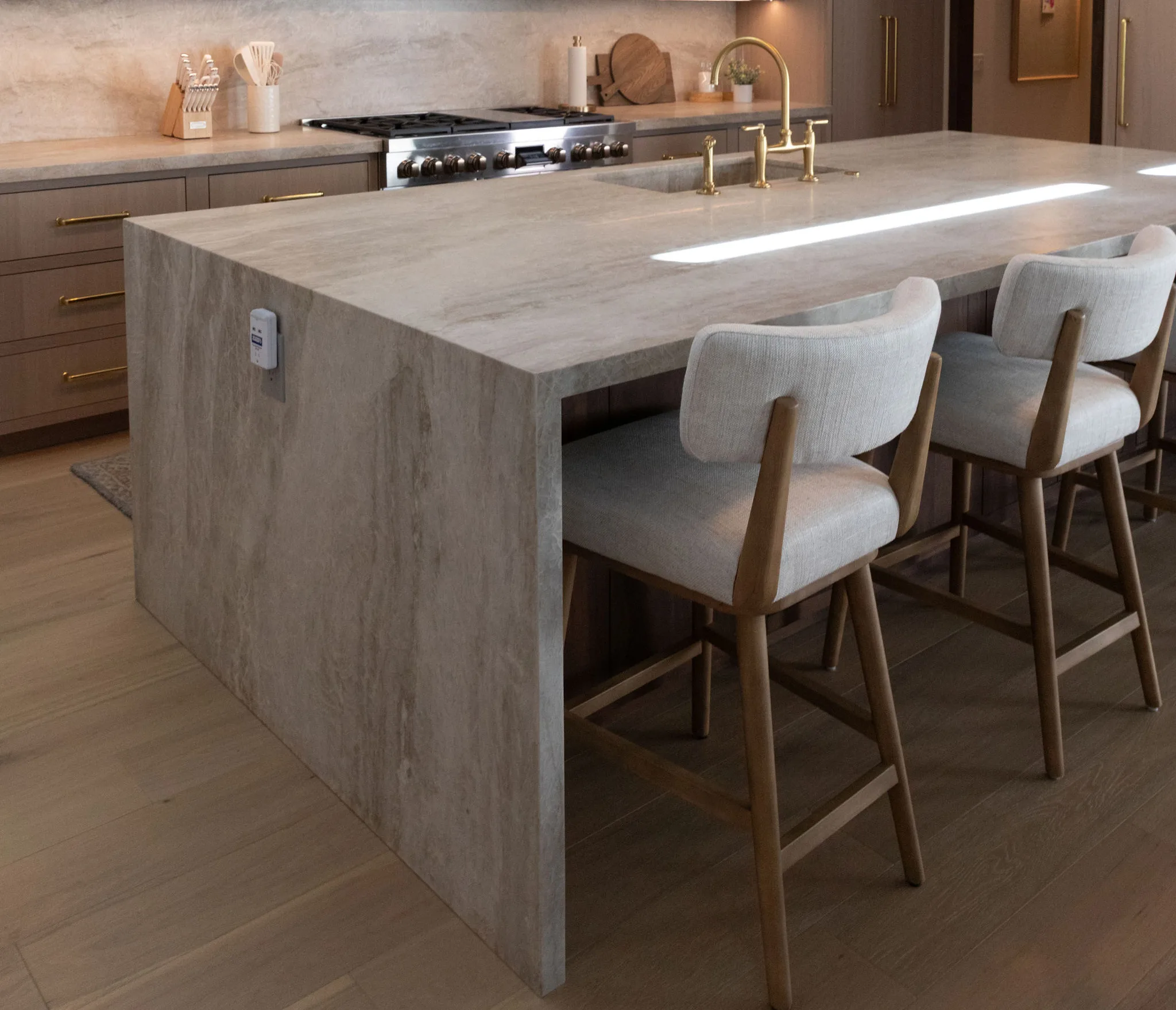
The Ultimate Guide to Kitchen Countertops in Las Vegas: Quartz, Granite, Marble & More
Choosing the right kitchen countertops transforms both the functionality and visual appeal of your Las Vegas home. The city’s unique climate and design preferences make material selection particularly important, as your countertops need to withstand dry conditions while complementing contemporary or traditional aesthetics. Whether you’re renovating an existing kitchen or building new, understanding your options helps you make a decision that fits your lifestyle and budget.
Las Vegas offers a diverse range of countertop materials including quartz, granite, marble, and solid surface options, each with distinct benefits for durability, maintenance, and design flexibility. Quartz provides engineered consistency and minimal upkeep, granite delivers natural beauty with heat resistance, and marble brings timeless luxury to high-end spaces. Beyond these popular choices, specialty materials offer additional possibilities for unique kitchen designs.
This guide walks you through material comparisons, local showroom experiences, pricing considerations, and installation factors specific to the Las Vegas area. You’ll learn how different countertop options perform in the local climate, what design trends are shaping Las Vegas kitchens, and how to navigate the selection process from initial consultation through final installation.
Key Countertop Materials in Las Vegas
Las Vegas homeowners have access to a wide range of countertop materials, each offering distinct characteristics in terms of durability, maintenance, and appearance. Quartz and granite dominate the market for their practical benefits, while marble and porcelain serve specific design preferences and functional requirements.
Quartz Countertops: Engineered Strength and Style
Quartz countertops are engineered stone surfaces made from natural quartz crystals combined with resin binders. This manufacturing process creates a non-porous surface that resists stains without requiring sealing, making it a practical choice for Las Vegas kitchens.
The material offers consistent patterns and colors across slabs, which simplifies design planning. You can select from a wide range of appearances, including options that mimic natural stone or feature solid colors.
Quartz resists scratches and chips well, though you should use trivets or heat pads since it has lower heat tolerance than natural stone. The non-porous nature makes it hygienic and easy to clean with basic soap and water.
Key characteristics:
- No sealing required
- Uniform appearance
- Resistant to staining and bacteria
- Moderate heat resistance
The cost typically ranges from mid to high-end depending on brand and design complexity.
Granite Countertops: Natural Elegance and Durability
Granite countertops are natural stone surfaces quarried from the earth, offering unique patterns and color variations in each slab. The material ranks among the hardest natural stones available, providing exceptional resistance to scratches and heat damage.
Each granite slab features one-of-a-kind veining and mineral patterns that cannot be replicated. This natural variation means no two countertops look identical, adding distinctive character to your kitchen.
You’ll need to seal granite periodically to maintain its stain resistance, typically once every one to three years depending on usage. The sealing process is straightforward but represents an ongoing maintenance requirement.
Maintenance requirements:
- Periodic sealing needed
- Clean with mild detergent
- Highly heat-resistant
- Scratch-resistant surface
Granite prices vary significantly based on color rarity, origin, and thickness. Common colors cost less than exotic varieties imported from specific quarries.
Marble Countertops: Luxury and Sophistication
Marble countertops deliver a classic, high-end aesthetic with distinctive veining patterns. The natural stone remains cool to the touch, making it particularly suitable for baking and pastry preparation.
The material is softer and more porous than granite or quartz, which means it scratches and stains more easily. You need to seal marble regularly and clean spills promptly to prevent permanent damage.
Marble develops a patina over time that some homeowners appreciate for its character, while others prefer to maintain the original appearance through careful maintenance. Acidic substances like lemon juice or vinegar can etch the surface, requiring immediate attention.
Important considerations:
- Requires frequent sealing
- Susceptible to etching and staining
- Softer than granite or quartz
- Premium pricing
Porcelain, Quartzite, and Alternative Surfaces
Porcelain countertops are manufactured slabs that resist heat, scratches, and stains while offering design flexibility. The material can replicate the appearance of marble or other stones while providing superior durability and requiring minimal maintenance.
Quartzite is a natural stone that combines the hardness of granite with marble-like aesthetics. It requires sealing like granite but offers exceptional durability for high-use areas.
Solid surface materials made from acrylic or polyester resins allow seamless installations and can be repaired if scratched. Concrete countertops provide industrial styling with complete customization options for shapes and colors. Butcher block adds warmth through natural wood but requires regular oiling and careful moisture management.
| Material | Sealing Required | Heat Resistance | Maintenance Level |
|---|---|---|---|
| Porcelain | No | High | Low |
| Quartzite | Yes | High | Moderate |
| Solid Surface | No | Low | Low |
| Concrete | Yes | High | Moderate |
Quartz Countertops in Las Vegas: Benefits and Choices
Quartz countertops combine natural quartz crystals with resins and pigments to create engineered surfaces that resist stains and require minimal maintenance. Las Vegas homeowners favor these countertops for their consistent patterns, wide color range, and ability to withstand desert heat and daily use.
Popular Quartz Colors and Patterns
Quartz countertops in Las Vegas come in an extensive range of colors and patterns to match any design vision. Classic whites and calming grays remain the most requested options, offering versatility across different kitchen styles.
Bold colors like navy, emerald, and charcoal provide statement pieces for contemporary spaces. Marble-look quartz slabs deliver the elegance of natural stone without the maintenance concerns.
Common Pattern Categories:
- Solid colors with minimal veining
- Marble-inspired patterns with flowing veins
- Speckled designs mimicking granite
- Concrete-style finishes for industrial aesthetics
The engineered nature of quartz ensures consistent patterning throughout each slab. This predictability makes planning your layout easier compared to natural stone variations.
White Quartz: Modern Minimalism
White quartz countertops dominate Las Vegas kitchens for their clean, timeless appeal. These surfaces brighten spaces and create the illusion of larger rooms, particularly valuable in compact urban homes.
Pure white options offer stark minimalism, while warm whites with subtle gray or beige undertones add depth. Some white quartz features delicate veining that mimics Carrara or Calacatta marble.
The non-porous surface of white quartz resists staining better than natural marble. Coffee, wine, and cooking oils wipe away easily with soap and water, maintaining the pristine appearance without constant vigilance.
White quartz pairs effectively with any cabinet color and hardware finish. It serves as a neutral foundation that allows you to update other kitchen elements without replacing your countertops.
Selecting Quartz Slabs and Samples
Visit Las Vegas showrooms to view full quartz slabs rather than relying on small samples alone. Lighting conditions in your home differ significantly from showroom displays, so request samples to take home for evaluation.
Place samples on your existing counters and observe them throughout the day. Natural and artificial light reveal different undertones and patterns in quartz surfaces.
Evaluation Checklist:
- View slabs vertically as they’ll appear installed
- Check color consistency across multiple slabs if your project requires several
- Examine veining patterns to ensure they match your preferences
- Compare thickness options (typically 2cm or 3cm)
Most fabricators in Las Vegas maintain inventory of popular quartz colors for faster installation. Custom orders may require 2-4 weeks for delivery, so plan your renovation timeline accordingly.
Granite and Marble Countertops: Classic Options for Las Vegas Homes
Granite and marble represent enduring choices for countertops, offering distinct advantages in durability, aesthetics, and long-term value. Each material brings unique characteristics suited to different lifestyle needs and design preferences in Las Vegas homes.
Granite Countertops Las Vegas: Customization and Value
Granite countertops deliver exceptional durability and heat resistance, making them practical for active kitchens where hot pots and heavy use are common. The material naturally resists scratches and bacteria when properly sealed, requiring minimal daily maintenance.
You’ll find extensive customization options with granite, as each slab features unique patterns and color variations formed by natural minerals. Popular choices in Las Vegas include speckled patterns, solid colors, and dramatic veining that complements both traditional and contemporary kitchen designs.
Key benefits of granite include:
- Heat resistance up to 1,200°F
- Natural antibacterial properties
- Wide price range accommodating various budgets
- Increases home resale value
- Available in polished, honed, or leathered finishes
Granite requires sealing every 1-2 years to maintain stain resistance, though modern sealants make this process straightforward. The material holds its value well compared to other natural stone options, offering a balance between upfront investment and long-term performance.
Marble Countertops: Applications and Maintenance
Marble countertops create elegant focal points in bathrooms, bars, and low-traffic kitchen areas. The stone’s natural veining and luminous surface provide a sophisticated appearance that synthetic materials cannot replicate.
Your marble surfaces require more careful maintenance than granite. The material is porous and reactive to acidic substances like lemon juice, wine, and vinegar, which can etch the surface and leave dull spots. You’ll need to wipe spills immediately and use cutting boards consistently.
Ideal marble applications:
- Bathroom vanities with minimal exposure to harsh products
- Kitchen islands dedicated to baking and pastry work
- Bar tops in controlled-use areas
- Accent pieces rather than primary prep surfaces
Marble needs sealing every 3-6 months and benefits from pH-neutral cleaning products. Despite requiring attentive care, many homeowners value marble’s aesthetic appeal and accept the maintenance requirements as part of owning a premium natural stone surface.
Exploring Countertop Design, Colors, and Showroom Experience
Countertop selection involves more than choosing between materials. The color you select impacts your kitchen’s entire aesthetic, and visiting a Las Vegas showroom provides hands-on access to view actual slabs and samples in proper lighting conditions.
Countertop Colors and Visual Impact
Countertop colors serve as a focal point that ties together your cabinetry, flooring, and backsplash. Neutral tones like white, gray, and beige in quartz or solid surfaces create a modern, minimalist aesthetic that works with most design schemes. These colors provide versatility for future updates to surrounding elements.
Granite offers natural color variation with patterns ranging from subtle flecking to dramatic veining. You’ll find options spanning warm earth tones, cool grays, and rich blacks. Each granite slab features unique characteristics, making your countertop one of a kind.
Marble presents classic whites and creams with distinctive veining patterns that add elegance. Darker countertops in charcoal or black create contrast against light cabinetry. Your color choice should complement your kitchen’s existing elements while reflecting your personal style preferences.
Visiting a Las Vegas Showroom
Las Vegas showrooms feature climate-controlled environments with proper lighting to view hundreds of countertop options accurately. You’ll find quartz, granite, marble, and other natural stone slabs displayed for direct comparison. Most showrooms operate Monday through Friday from 8:00 AM to 5:00 PM, with Saturday hours typically from 9:00 AM to 1:00 PM.
These facilities include distribution centers and dedicated slab selection areas. Some locations offer virtual tours and remote slab selection by appointment. You can request product samples to take home and view in your actual kitchen lighting.
Showrooms provide services including product selection assistance, project quantity estimation, and access to visualizer tools for kitchens and bathrooms. Staff members help you explore options but typically don’t sell directly to consumers.
Showroom Selection Tips
Bring your cabinet samples, paint chips, or flooring materials to match against potential countertops. Natural and artificial lighting affect how colors appear, so view options under both conditions when possible.
Ask about viewing the full slab rather than just small samples. Granite and marble patterns vary significantly across a single slab, and seeing the complete piece helps you understand the final appearance. Take photos of your top choices for later reference.
Request information about the showroom’s network of fabricators and installers. Note that children require supervision during visits, and some areas like slab showrooms have access restrictions for safety reasons.
Selecting, Pricing, and Installing Countertops in Las Vegas
Countertop projects in Las Vegas require careful planning around material selection, accurate cost estimation, and understanding local installation requirements. Desert climate conditions, labor availability, and project-specific details all influence final pricing and timelines.
Estimating Costs and Budgeting
Countertops Las Vegas pricing typically ranges from $40 to $120 per square foot installed in 2026. Granite falls between $40–$70 per square foot, quartz ranges from $55–$90, and marble starts at $75 and can exceed $120 for premium selections.
Your final cost depends on several measurable factors beyond material choice. Square footage directly impacts pricing, with larger kitchen countertops requiring more material and labor than smaller bathroom countertops. Layout complexity matters—islands, angles, and multiple runs increase fabrication time and seam placement requirements.
Las Vegas pricing differs from national averages due to local conditions. Desert heat affects material sourcing and handling. Labor availability fluctuates with seasonal remodel demand across the valley. Shipping costs for stone materials vary based on supplier relationships and current market conditions.
Additional costs often catch homeowners off guard. Removing and disposing of existing countertops adds to the project total. Plumbing disconnects and reconnects for sink installations require coordination. Backsplash work, structural support for heavy materials, and changes made after templating all impact your budget.
The Selection and Installation Process
The process begins with material selection based on your usage needs, aesthetic preferences, and budget parameters. Visit local fabricators to view full slabs under different lighting conditions. Las Vegas showrooms allow you to see how materials respond to natural light similar to what your kitchen receives.
After selecting your material, schedule an in-home template. A fabricator measures your existing space, marks cutout locations, and documents any unique installation challenges. This step ensures accurate fabrication and prevents fit issues during installation.
Fabrication takes one to three weeks depending on material availability and shop schedules. Complex edge profiles, waterfall edges, or custom details extend this timeline. Commercial projects may follow different schedules based on coordination requirements with other trades.
Installation typically completes in one day for standard kitchen countertops. The fabricator removes old surfaces if contracted, sets the new stone, secures it to cabinets, installs sinks and fixtures, and seals the material. Your installer should test all plumbing connections before leaving.
Custom Edges, Cutouts, and Details
Edge profiles change both appearance and cost. Standard eased or pencil edges keep pricing lower and work well in most kitchens. Ogee, bevel, and other decorative edges require more fabrication time and skill, increasing the per-foot cost.
Common edge options include:
- Eased: Slightly rounded corners, most affordable
- Pencil: Small rounded edge, clean appearance
- Bevel: Angled edge cut, adds visual interest
- Ogee: Curved S-shape, traditional look
- Waterfall: Stone continues down cabinet sides
Cutouts for sinks, cooktops, and fixtures are standard but still affect pricing. Undermount sinks require precise cutting and polishing of the exposed edge. Cooktop cutouts demand exact measurements for proper fit. Faucet holes need careful placement to align with plumbing.
Seam placement matters in longer runs and L-shaped layouts. Experienced fabricators position seams in less visible areas and match patterns across joints. Darker materials and busy patterns hide seams better than solid light colors.
Solid Surface and Other Specialty Countertop Options
Solid surface countertops offer a seamless, non-porous alternative to natural stone, while specialty materials like butcher block and laminate provide unique aesthetic and functional benefits for Las Vegas homeowners seeking budget-friendly or distinctive design choices.
Benefits of Solid Surface Countertops
Solid surface countertops are manufactured from acrylic or polyester resins combined with natural minerals. This synthetic composition creates a non-porous surface that resists stains, bacteria, and moisture without requiring sealing.
You can join solid surface materials without visible seams, creating a continuous appearance that works particularly well for modern kitchen designs. If scratches or chips occur, you can sand and buff the surface to restore its original appearance, making repairs straightforward compared to stone alternatives.
These countertops come in numerous colors and patterns, including options that mimic natural stone. The material remains cool to the touch in Las Vegas’s warm climate and won’t fade from sun exposure through kitchen windows.
Key advantages include:
- Non-porous construction prevents bacterial growth and staining
- Repairable surface can be sanded to remove minor damage
- Seamless installation eliminates visible joints
- Consistent color throughout the material thickness
- Medium durability suitable for typical kitchen use
Alternatives: Butcher Block, Laminate, and More
Butcher block countertops provide warmth through natural wood like maple, oak, or walnut. You’ll need to oil these surfaces regularly to maintain moisture resistance, and they require protection from heat and standing water. They work well for prep areas or kitchen islands where you want a softer work surface.
Laminate countertops consist of plastic layers bonded to particleboard or MDF. Modern laminates offer realistic stone and wood patterns at a fraction of the cost. They resist stains when intact but cannot be repaired if damaged, and heat can cause permanent marks.
Material comparison:
| Material | Cost Range | Maintenance | Heat Resistance |
|---|---|---|---|
| Butcher Block | $40-$100/sq ft | High (oiling needed) | Low |
| Laminate | $10-$40/sq ft | Low | Low |
| Tile | $20-$80/sq ft | Medium (grout care) | High |
Ceramic or porcelain tile offers heat resistance and design flexibility through color combinations, but grout lines require periodic sealing and cleaning to prevent staining.
Frequently Asked Questions
Choosing countertops for your Las Vegas kitchen involves understanding how different materials perform in the desert climate, finding reliable local fabricators, and making design decisions that balance aesthetics with functionality. These questions address the most common concerns homeowners face when selecting and installing kitchen countertops.
What are the best countertop materials for Las Vegas kitchens, and how do they compare in durability and maintenance?
Granite, quartz, and marble stand out as the top countertop materials for Las Vegas kitchens, each offering distinct advantages. Granite provides exceptional durability and heat resistance, making it well-suited for the desert environment where temperatures fluctuate significantly.
Quartz countertops offer superior stain resistance and require no sealing, which simplifies long-term maintenance compared to natural stone options. The engineered composition of quartz makes it highly resistant to scratches and chips during daily use.
Marble delivers unmatched visual elegance but requires more careful maintenance than granite or quartz. You’ll need to seal marble regularly and avoid acidic substances like lemon juice or vinegar to prevent etching.
For durability in Las Vegas conditions, granite and quartz both perform exceptionally well. Quartz requires less maintenance overall, while granite offers better heat tolerance for placing hot cookware directly on the surface.
How do quartz and granite countertops perform in Las Vegas heat, and which is easier to care for long term?
Both quartz and granite countertops handle Las Vegas heat effectively, though they respond differently to extreme temperatures. Granite’s natural formation under intense heat makes it more tolerant of direct sunlight and hot items placed on its surface.
Quartz performs well in Las Vegas homes but can be sensitive to prolonged direct sunlight exposure through windows. Extended UV exposure may cause some quartz colors to fade slightly over time, particularly darker shades.
For long-term care, quartz requires significantly less maintenance than granite. You can clean quartz with simple soap and water without worrying about periodic sealing.
Granite needs resealing every one to three years depending on the specific stone and usage patterns. This maintenance step protects the stone from stains and moisture absorption, though the process remains straightforward for most homeowners.
Where can I find reputable granite and stone fabricators in Las Vegas, and what should I ask before hiring?
Las Vegas has numerous countertop fabricators including Mike’s Countertops, Montano’s Granite, National Stone, and Custom Granite Masters. You should verify that any fabricator you consider has proper licensing, insurance, and a physical showroom where you can view material selections.
Ask potential fabricators about their experience with your chosen material and request references from recent projects. Inquire about their warranty coverage, typical timeline from template to installation, and whether they handle both fabrication and installation or subcontract any portions.
You should also ask about their process for seam placement and edge profile options. Understanding how they plan to minimize visible seams and what edge styles they offer helps you visualize the finished product.
Request a detailed written estimate that breaks down material costs, fabrication fees, and installation charges separately. This transparency helps you compare quotes accurately across different fabricators.
What are the pros and cons of prefabricated (prefab) quartz countertops versus custom slab fabrication?
Prefab quartz countertops come pre-cut in standard sizes with finished edges, offering faster installation and lower costs than custom slabs. You can typically get prefab countertops installed within days rather than weeks, and they cost 30-50% less than custom fabrication.
The main drawback of prefab options is limited size availability and fewer design choices. Standard prefab pieces work best for small to medium kitchens with straightforward layouts, but larger kitchens or those with islands often require custom slabs.
Custom slab fabrication provides complete design flexibility, allowing you to select from the full range of colors and create any edge profile. You can also ensure continuous patterns across long runs and minimize seam visibility through careful planning.
Custom fabrication takes longer and costs more due to the specialized cutting, templating, and installation process. However, you get a truly customized result that fits your exact kitchen dimensions and design preferences.
Can quartz countertops handle hot items like a cup of coffee, and what heat precautions should homeowners follow?
Quartz countertops can safely handle moderately warm items like coffee cups without any damage. The resin binders used in quartz manufacturing make it less heat-resistant than natural granite, but normal kitchen use poses no problems.
You should avoid placing hot pots, pans, or baking dishes directly from the stove or oven onto quartz surfaces. Temperatures above 300°F can potentially damage the resin and cause discoloration or cracking.
Using trivets or hot pads for cookware straight from heat sources protects your investment. This simple precaution prevents heat-related damage and maintains your countertop’s appearance over time.
Electric appliances like slow cookers, air fryers, and instant pots generate significant heat during use. Placing a protective barrier underneath these appliances adds an extra layer of safety for your quartz countertops.
Should kitchen countertops be lighter or darker than the cabinets to achieve a balanced, modern look?
Creating contrast between your countertops and cabinets typically produces the most visually appealing results. Lighter countertops paired with darker cabinets create a bright, open feel that works well in Las Vegas homes where natural light is abundant.
Dark countertops with light cabinets offer a sophisticated, contemporary aesthetic that adds depth to your kitchen design. This combination has become increasingly popular in modern Las Vegas kitchens.
The right choice depends on your specific cabinet color, kitchen size, and lighting conditions. Smaller kitchens often benefit from lighter countertops to maximize the sense of space, while larger kitchens can accommodate darker surfaces without feeling cramped.
You should consider your backsplash and flooring colors when making this decision. The countertop should complement these elements while providing enough contrast to define the workspace clearly.
0 comments