
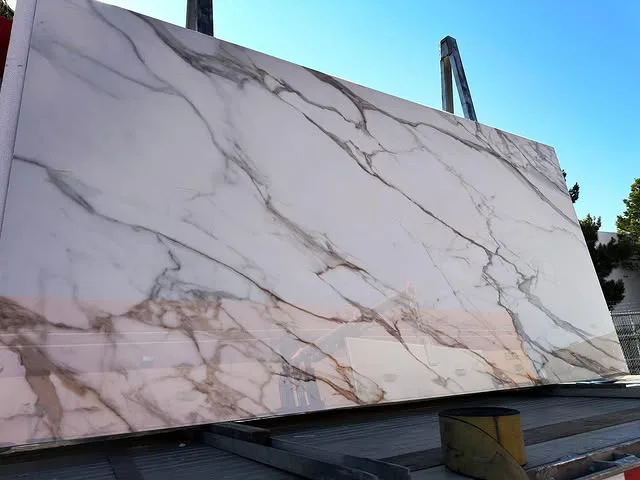
Marble Granite Slabs: Countertop Fabrication & Installation in Las Vegas
Las Vegas homeowners looking to upgrade their kitchens or bathrooms often turn to natural stone for its durability and timeless appeal. Countertop fabrication and installation involves selecting the right slab material, precise cutting and shaping to fit your space, and professional mounting by experienced installers who ensure proper support and sealing. Understanding this process helps you make informed decisions about your investment.
The Las Vegas area offers numerous providers specializing in granite and marble work, from initial slab selection through final installation. You need to know what distinguishes quality fabrication, how different stone types compare, and what realistic expectations look like for your project timeline and budget.
This guide walks you through each stage of bringing natural stone countertops into your home. You’ll learn about material options, fabrication techniques, installation requirements, and how to choose reliable providers in the Las Vegas market.

Free Estimate
Get a free estimate for quartz countertops, granite and marble countertops, slab shower walls, and custom stone fabrication in Las Vegas. Our team will review your project, answer your questions, and recommend the best options for your space, style, and budget.
Marble and Granite Slabs: Types, Qualities, and Selection
Material selection for countertops requires understanding the differences between natural and engineered options, recognizing each stone’s inherent characteristics, and staying informed about emerging alternatives. Your choice impacts both the appearance and long-term performance of your installation.
Natural Stone vs. Engineered Stone Options
Natural stone includes marble, granite, quartzite, and onyx—materials formed through geological processes over millions of years. Each slab is unique, featuring distinct veining, color variations, and patterns that cannot be replicated. Granite forms from cooled magma, creating a dense, durable surface with crystalline patterns. Marble develops from metamorphosed limestone, resulting in softer stone with characteristic veining.
Engineered stone consists of ground quartz crystals (90-95%) bound with polymer resins and pigments. This manufacturing process creates uniform appearance and consistent performance across slabs. Quartz countertops resist staining better than marble and require no sealing.
Key Differences:
- Uniqueness: Natural stone offers one-of-a-kind patterns; engineered stone provides predictable consistency
- Porosity: Granite and marble need periodic sealing; quartz is non-porous
- Heat resistance: Natural stone withstands high temperatures better than engineered options
- Price range: Granite typically costs $40-$100 per square foot; quartz ranges similarly but with more predictable pricing
Key Characteristics of Marble, Granite, and Quartz
Marble displays elegant veining in white, gray, black, green, and blue tones. It etches easily from acidic substances and requires pH-neutral cleaners. Popular types include Carrara with subtle gray veining and Calacatta Gold featuring bold gold and gray patterns on white backgrounds. Marble works best in bathrooms and low-traffic areas.
Granite offers superior durability with resistance to scratches, heat, and staining when properly sealed. Available in numerous colors from black to pink to blue, granite contains visible mineral crystals that create speckled or flowing patterns. It handles kitchen demands better than marble.
Quartz combines aesthetics with practical benefits: no sealing required, consistent coloring, and high stain resistance. However, it cannot withstand direct heat from pots and pans and costs similar to mid-range granite.
Latest Trends: Quartzite, Porcelain, Dekton, and Onyx
Quartzite is natural stone harder than granite, formed when sandstone undergoes metamorphosis. It resembles marble’s appearance but delivers granite-like durability. This material resists etching and scratching while maintaining the elegant veining many homeowners desire.
Porcelain slabs are manufactured from fired clay and minerals, offering extreme durability and virtually zero porosity. Large-format porcelain slabs mimic natural stone, concrete, or wood while resisting heat, scratches, and UV damage. They work well for both indoor and outdoor applications.
Dekton combines raw materials used in glass, porcelain, and quartz surfaces through extreme heat and pressure. This ultra-compact surface resists scratches, stains, heat, and UV rays better than most alternatives. Dekton maintains consistent color throughout the slab thickness.
Onyx features translucent properties that allow backlighting for dramatic effects. This natural stone displays bold veining in whites, greens, browns, and golds. Onyx requires careful maintenance as it’s softer and more porous than granite, making it better suited for statement pieces than working surfaces.
Countertop Fabrication Process Explained
The fabrication process transforms raw stone slabs into custom countertops through templating, precision cutting, and detailed finishing work. Each phase requires specialized equipment and expertise to ensure your countertops fit perfectly and meet quality standards.
Initial Consultation and Free Estimate
Your fabrication journey begins with a free consultation where professionals assess your project requirements and existing space. During this meeting, you’ll discuss layout options, edge profiles, backsplash details, and any special features like undermount sinks or cooktop cutouts.
The free estimate covers material costs, fabrication services, and installation based on your specific measurements and selections. Fabricators calculate square footage, factor in waste from cuts and seams, and account for complexity elements that affect pricing.
This consultation establishes project timelines, typically ranging from 2-4 weeks from template to installation. You’ll receive detailed information about what to expect at each stage and how to prepare your space for the installation team.
Material Selection and Digital Templating
You’ll visit the fabrication shop or stone yard to select your exact slab, examining the stone’s veining, color variation, and overall pattern. This step matters because natural stone varies significantly between slabs, and photos rarely capture the true appearance.
After material selection, technicians perform digital templating at your location using laser measuring devices or physical templates. This process captures precise measurements of your existing cabinets, walls, and any irregularities in the space.
Digital templating ensures accuracy within millimeters and allows fabricators to plan seam placement strategically. The template data transfers directly to CNC programming systems, eliminating measurement errors that plague manual methods.
Precision Cutting and Edge Profiling
CNC machines cut your countertops based on the digital template, creating cutouts for sinks, faucets, and cooktops with exact specifications. The stone fabrication process uses diamond-tipped blades designed specifically for granite, marble, or quartz materials.
Edge profiling follows cutting, where fabricators shape the countertop edges according to your selected profile—options include bullnose, ogee, beveled, or straight edges. This stage demands attention to detail as edges receive multiple rounds of grinding and polishing to achieve a smooth, refined finish.
Fabricators inspect each piece for chips, cracks, or imperfections before moving to final polishing. Quality control at this stage prevents installation delays and ensures your countertops meet industry standards for residential stone surfaces.
Professional Installation: What to Expect
Professional installation transforms fabricated slabs into functional countertops through precise setting, seaming, and finishing work that determines both appearance and longevity. Your installation team handles everything from site preparation to final sealing, typically completing the process in 4-8 hours depending on project complexity.
Expert Installation Techniques
Your installation crew arrives with specialized equipment designed for safe handling and precise placement of heavy stone slabs. They begin by protecting floors, cabinets, and walkways with drop cloths and cardboard before removing old countertops if included in your contract.
Each piece undergoes a dry-fit first, positioned without adhesive to verify wall contact, corner alignment, and seam placement. Installers check cabinet level again and add shims where needed to create a flat plane for the stone.
Setting involves applying silicone beads to cabinet tops, then carefully lowering each piece into position. Seam work requires particular attention to detail—installers mix color-matched epoxy on site, apply it to mating surfaces, and use vacuum clamps or seam setters to pull pieces tight together. Properly executed seams appear nearly invisible with flush, even surfaces.
Undermount sinks attach with clips and adhesive, positioned for consistent reveal around all edges. Your fabrication and installation team drills any final holes for faucets or accessories using diamond core bits with water cooling to prevent damage.
Timeline and Preparation for Installation
Installation day requires your space to be completely ready when the crew arrives. Clear all items from base cabinets and ensure pathways remain unobstructed for carrying heavy slabs.
Pre-installation requirements:
- Sinks and faucets on site with specifications
- Dishwasher removed or repositioned for access
- Electrical and plumbing disconnected as needed
- Pets secured away from work areas
The timeline from template to installation typically spans 7-12 business days in Las Vegas, accounting for fabrication time. Your stone fabrication and installation provider schedules the specific date once shop work nears completion.
Expect the crew to spend 4-8 hours on site depending on layout complexity, number of seams, and special features like waterfall edges or multiple sink cutouts.
Finishing Touches and Quality Assurance
After setting and seaming, installers apply flexible silicone caulk at all wall joints, sink perimeters, and penetrations to create waterproof seals. Natural stone receives sealer application if not completed in the shop, with multiple coats buffed to finish.
The lead installer conducts a walkthrough with you, reviewing seam quality, sink alignment, and all cutout locations. They provide care instructions specific to your stone type, including recommended cleaning products and resealing schedules.
Quality checks before sign-off:
| Element | Verification Standard |
|---|---|
| Seams | Tight, flush, color-matched |
| Surface level | No dips or high spots |
| Sink mounting | Secure with consistent reveal |
| Caulking | Complete seal at all joints |
Your signature on completion documents confirms the installation meets contract specifications. Wait 24-48 hours before heavy use, allowing adhesives and sealers to cure fully.
Transforming Spaces: Countertop Applications
Marble and granite slabs serve multiple functions throughout your home, from primary work surfaces in kitchens to accent pieces in bathrooms and outdoor areas. Each application requires specific considerations for material selection, edge profiles, and installation methods to ensure both durability and visual appeal.
Kitchen Countertops and Islands
Kitchen countertops represent the most common application for marble and granite slabs. These surfaces endure daily food preparation, hot cookware, and frequent cleaning, making material selection critical for long-term performance.
Granite offers superior heat resistance and scratch protection, ideal for active cooking spaces. You can place hot pans directly on granite without damage. Marble provides distinctive veining patterns that create focal points in your kitchen, though it requires more maintenance due to its porous nature.
Kitchen islands benefit from contrasting materials or complementary colors to your main countertops. A waterfall edge on your island—where the stone extends vertically to the floor—adds architectural interest. Standard countertop thickness measures 3 centimeters, but islands sometimes feature 6-centimeter edges for a substantial appearance.
Common kitchen countertop features include:
- Integrated sinks with undermount installation
- Cooktop cutouts with reinforced edges
- Extended overhangs for bar seating
- Built-in drainage grooves near sinks
Your edge profile choice affects both aesthetics and functionality. Beveled edges suit modern designs, while ogee profiles complement traditional spaces.
Bathroom Vanities and Remodels
Bathroom vanities showcase stone’s versatility in smaller spaces where moisture resistance and elegance matter equally. Your vanity selection sets the tone for your entire bathroom remodel.
Granite and marble slabs work well for single or double vanities. You’ll want to seal these surfaces properly since bathrooms experience high humidity and water exposure. Polished finishes repel water better than honed surfaces, though honed marble creates a sophisticated spa-like atmosphere.
Vanity depths typically range from 18 to 24 inches, shallower than kitchen countertops. This allows comfortable movement in compact bathrooms. Your fabricator can integrate vessel sink cutouts, undermount basins, or even custom trough sinks carved from the same slab.
Matching your vanity to other bathroom elements creates cohesion. Consider extending the same material to your shower surrounds or using complementary colors throughout the space.
Backsplashes, Fireplaces, and Shower Surrounds
Stone applications extend beyond horizontal surfaces to vertical installations that protect walls and add visual drama. These applications transform functional necessities into design statements.
Backsplash options include:
- Full-height slabs behind ranges
- Matching countertop material for continuity
- Book-matched patterns for symmetry
- Smaller tile formats cut from larger slabs
Your backsplash protects walls from splashes while bridging the visual gap between countertops and cabinets. A 4-inch backsplash provides basic protection, while full-height installations make bolder statements.
Fireplaces framed in granite or marble become room centerpieces. Stone withstands heat while offering diverse color options from classic white marble to dramatic black granite. Fireplace surrounds typically include the hearth, facing, and mantel components.
Shower surrounds in marble create luxury bathroom experiences. Large-format slabs minimize grout lines where mold and mildew accumulate. Your installer must ensure proper waterproofing behind the stone and appropriate slope for drainage.
Outdoor Kitchens and Entertainment Areas
Outdoor kitchen installations demand materials that withstand temperature fluctuations, UV exposure, and weather conditions. Granite excels in these applications due to its density and weather resistance.
Your outdoor kitchen countertops need sealed surfaces to prevent moisture penetration during freeze-thaw cycles. Darker granite colors absorb more heat in direct sunlight, which affects comfort during summer cooking. Lighter colors reflect heat while hiding water spots and mineral deposits.
Standard outdoor applications include:
- Grill surrounds with heat-resistant stone
- Bar tops with extended overhangs
- Prep stations with integrated cutting boards
- Serving areas adjacent to dining spaces
Outdoor installations require different setting materials than indoor projects. Your fabricator uses modified thin-set mortars and flexible sealants that accommodate expansion and contraction. Edge profiles should avoid sharp details that chip easily with outdoor furniture movement.
Consider drainage when designing outdoor countertops. Slight slopes prevent water pooling, and drip edges keep moisture from running back toward cabinets or structures.
Choosing the Best Countertop Providers in Las Vegas
Selecting a countertop provider in Las Vegas requires careful assessment of their experience, reputation, and service offerings. Quality fabrication and installation depend on choosing specialists who demonstrate proven expertise with granite and marble materials.
Evaluating Experience and Reputation
Start by researching how long a company has operated in the Las Vegas market. Experienced providers understand local building codes and have established relationships with stone suppliers, which translates to better material selection and competitive pricing for your project.
Check online reviews and ratings across multiple platforms to gauge customer satisfaction. Look for specific feedback about installation quality, timeline adherence, and how the company handles issues if they arise. Companies with consistent positive reviews over several years demonstrate reliability.
Ask potential providers about their licensing and bonding status. Licensed contractors in Nevada must meet specific requirements that protect you as a homeowner. Request references from recent projects similar to yours, particularly if you’re working with specialty materials like exotic granite or marble slabs.
Vegas Granite & Marble and Top Local Specialists
Vegas Granite & Marble operates at 57 Spectrum Blvd and offers comprehensive services including custom fabrication, natural stone selection, and professional installation. They work with natural, exotic, and engineered stone materials for kitchen counters, vanities, and other applications.
Other established providers include Mike’s Countertops, a licensed and bonded company specializing in stone fabrication. National Stone LV supplies and fabricates granite, marble, quartzite, and quartz countertops with custom options. These companies maintain physical locations in Las Vegas where you can view material samples and discuss your specific requirements.
Benefits of Working With Trusted Local Fabricators
Local fabricators provide faster response times and easier communication throughout your project. You can visit their facilities to inspect stone slabs before purchase, ensuring the exact color and pattern meet your expectations.
Established Las Vegas providers understand desert climate considerations that affect stone installation. They source materials efficiently and maintain inventory that reduces lead times compared to out-of-area contractors.
Local companies depend on their community reputation, which motivates them to deliver quality work and stand behind their installations. You’ll have direct access to their team if adjustments or warranty service becomes necessary after installation completes.
Frequently Asked Questions
Understanding the costs, processes, and material options for countertop projects helps you make informed decisions for your Las Vegas home renovation. Professional fabrication typically ranges from material selection through templating, cutting, edge profiling, and sealing before installation.
How much does marble countertop fabrication typically cost in Las Vegas?
Marble countertop fabrication in Las Vegas generally costs between $60 and $120 per square foot installed. This price includes the slab material, fabrication labor, edge profiling, and installation.
Premium marble varieties like Calacatta or Statuario can push costs to $150 per square foot or higher. The final price depends on marble type, slab thickness, edge detail complexity, and the number of cutouts needed for sinks and cooktops.
Additional factors affecting cost include your countertop’s total square footage and accessibility of the installation area. Complex layouts with multiple seams or unusual angles increase fabrication time and labor expenses.
What does countertop fabrication include when working with marble or granite slabs?
Countertop fabrication encompasses templating your existing space to create precise measurements for the new countertops. Fabricators use these templates to cut the slabs to exact specifications using specialized equipment.
The process includes edge profiling to create your chosen edge style, whether simple eased edges or decorative ogee profiles. Fabricators polish all cut edges to match the slab’s surface finish and create cutouts for sinks, faucets, and cooktops.
Seam placement planning occurs during fabrication to minimize visible joints in larger installations. Your fabricator also applies sealer to natural stone surfaces before installation to protect against staining and moisture penetration.
What is the average cost of granite countertop installation in Las Vegas?
Granite countertop installation in Las Vegas averages between $50 and $100 per square foot for mid-range materials and standard installations. Entry-level granite starts around $40 per square foot, while exotic granite varieties reach $100 to $200 per square foot.
Las Vegas fabricators typically include removal of existing countertops in their quotes, though this may add $100 to $300 to your total cost. Installation fees cover bringing the fabricated pieces to your home, setting them in place, and securing them to your cabinets.
You should request detailed quotes from multiple fabricators to compare pricing and services included. Some companies offer package deals that bundle materials, fabrication, and installation at discounted rates.
What is the step-by-step process for installing marble countertops from slab selection to final sealing?
Your marble countertop journey begins at a fabricator’s showroom where you select your specific slab from their inventory. You’ll examine the slab’s veining patterns and color variations to ensure it matches your design vision.
A technician visits your home to create a physical template of your countertop space using thin strips of material or digital measuring tools. This template captures every angle, corner, and detail needed for precise fabrication.
The fabricator cuts your chosen slab according to the template specifications and polishes all edges. They create necessary cutouts for sinks and fixtures, then apply a penetrating sealer to protect the marble.
Installation teams remove your old countertops if needed and prepare the cabinet surfaces for the new installation. They transport the fabricated pieces to your home, set them carefully in place, and secure them to the cabinets with adhesive.
Final steps include seaming multiple pieces together using color-matched epoxy and caulking along backsplashes. The installer performs a final inspection and applies additional sealer if necessary to complete the protection process.
What is the difference between prefab countertops and custom-fabricated slab countertops?
Prefab countertops come pre-cut in standard sizes with finished edges already applied at the factory. These countertops offer limited size options and typically measure in standard depths of 25 or 26 inches with predetermined lengths.
Custom-fabricated slab countertops start as full slabs measuring approximately 120 by 75 inches. Fabricators cut these slabs to your exact specifications, accommodating any kitchen layout or unique design requirements.
Prefab options cost less, ranging from $25 to $50 per square foot, because they require minimal fabrication labor. Custom slabs provide more design flexibility, better quality control, and seamless appearance but command higher prices.
You’re limited to basic edge profiles with prefab countertops, while custom fabrication allows you to choose from dozens of edge styles. Custom slabs also let you select the exact portion of the stone you want, controlling vein placement and color distribution.
How do quartz and porcelain countertops compare to natural stone for durability, maintenance, and cost?
Quartz countertops offer superior stain resistance compared to marble and granite because they’re engineered with resin binders that make them non-porous. You never need to seal quartz surfaces, while natural stone requires resealing every one to three years depending on use.
Porcelain slabs resist heat, scratches, and UV fading better than both natural stone and quartz. These engineered surfaces maintain their appearance in outdoor applications where marble would weather and quartz could discolor from sun exposure.
Cost-wise, quartz ranges from $50 to $120 per square foot installed, similar to mid-range granite and marble. Porcelain slab countertops typically cost between $60 and $150 per square foot, positioning them in the same price bracket as natural stone options.
Natural stone provides unique patterns and color variations that engineered materials cannot fully replicate. Each granite or marble slab displays one-of-a-kind characteristics, while quartz and porcelain patterns repeat across multiple slabs.
Marble requires the most maintenance among these options, as it’s susceptible to etching from acidic substances like lemon juice or vinegar. Granite needs less attention than marble but still requires periodic sealing, while quartz and porcelain need only regular cleaning with mild soap and water.
0 comments