
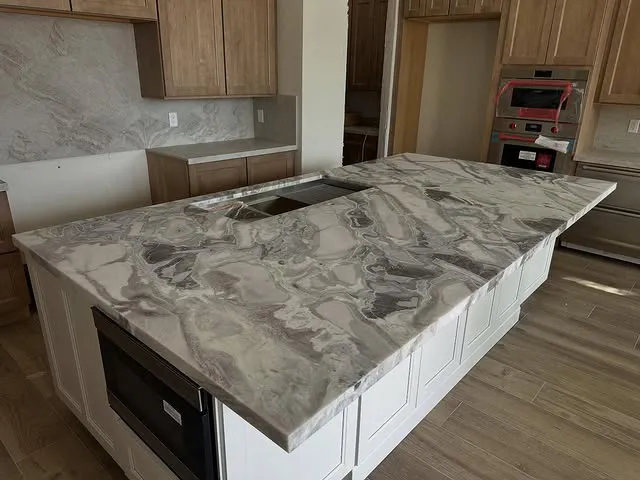
Marble Countertops in Las Vegas: Beauty, Maintenance, and Value
Marble countertops bring an unmistakable sense of elegance to Las Vegas homes, with their natural veining and cool surfaces that complement the desert’s bright, modern aesthetic. While marble requires more care than granite or quartz—including regular sealing and mindful use to prevent etching and staining—many homeowners find the timeless beauty and unique character of each slab worth the extra attention. The decision comes down to your lifestyle, design priorities, and willingness to maintain a natural stone that develops its own story over time.
In a city where luxury and style matter, marble offers something manufactured materials cannot replicate: authentic variations in color and pattern that make your kitchen or bathroom truly one-of-a-kind. The stone stays naturally cool in warm climates and adds visual warmth to sleek, contemporary spaces. Understanding both the appeal and the practical considerations helps you make an informed choice about whether marble fits your home.
This guide walks you through what makes marble special in Las Vegas interiors, the real maintenance requirements you should expect, and how to protect your investment for years to come. You’ll learn when marble works best, where it might not be ideal, and whether the trade-offs align with how you use your space.
Marble Countertops: Defining Luxury in Las Vegas Homes
Marble countertops stand apart through their natural veining patterns, cool surface temperature, and the prestige they bring to any space. The choice between Carrara, Calacatta, and Crema Marfil affects both the visual impact and budget of your project, while understanding color variations and slab selection helps you choose the right piece for your home.
What Sets Marble Countertops Apart
Marble forms naturally through limestone crystallization, creating unique patterns that make each slab one-of-a-kind. The veining flows through the stone like irregular brushstrokes, ensuring your countertop differs from any other installation.
The material maintains a naturally cool surface, which offers practical relief in Las Vegas’s desert climate. This coolness makes marble particularly comfortable during summer months when your kitchen heats up from sunlight and cooking.
Key distinguishing features:
- Natural variation – No two slabs share identical patterns
- Heat resistance – Suitable for baking areas and pastry work
- Light reflectivity – Brightens spaces with natural sunlight
- Timeless appeal – Remains stylish across decades and design trends
Marble elevates your home’s value more than many synthetic alternatives. The material signals quality craftsmanship and intentional design choices that potential buyers recognize immediately.
Popular Types: Carrara, Calacatta, Crema Marfil
Carrara marble originates from Tuscany and features soft gray veining on white backgrounds. This remains the most accessible marble option, offering classic beauty at lower price points than rarer varieties.
Calacatta marble displays bolder, thicker veining with gold or gray tones against bright white backgrounds. The dramatic patterns create statement pieces, particularly on waterfall islands or large kitchen expanses. Calacatta costs significantly more than Carrara due to limited quarry availability.
Crema Marfil comes from Spain and presents beige and cream tones with minimal veining. This warmer alternative suits homes with earth-tone palettes or rustic design elements common in Las Vegas properties.
| Marble Type | Primary Colors | Veining Pattern | Relative Cost |
|---|---|---|---|
| Carrara | White, light gray | Soft, feathery | $ |
| Calacatta | Bright white, gold | Bold, dramatic | $$$ |
| Crema Marfil | Beige, cream | Minimal, subtle | $$ |
Color, Veining, and Slab Selection
You should view marble slabs in person before purchasing, as photographs rarely capture true color depth and veining character. Lighting conditions at the supplier’s warehouse differ from your home, so request samples to evaluate under your actual lighting.
Veining orientation matters for visual flow. Book-matching places two adjacent slabs side-by-side to create mirror-image patterns, producing symmetrical designs for islands or large countertops. Quarter-matching uses four slabs to form balanced patterns from a central point.
Consider your cabinet colors when selecting marble tones. White Carrara pairs well with gray or navy cabinetry, while Crema Marfil complements wood tones and warmer neutrals. Calacatta’s bold veining works best when cabinetry remains simple and understated.
Slab thickness typically ranges from 2cm to 3cm. The thicker option provides more durability and allows for decorative edge profiles, though it increases material costs and installation weight requirements.
The Beauty and Benefits of Marble Countertops
Marble countertops deliver distinctive visual appeal through their natural veining patterns, offer environmentally responsible material choices, and provide measurable value increases for Las Vegas homes.
Timeless Aesthetics and Unique Veining
No two marble slabs share identical patterns, which means your countertop becomes a one-of-a-kind surface. The flowing veins and subtle color shifts form naturally over thousands of years, creating depth and character that engineered materials struggle to replicate.
Polished marble reflects light beautifully, creating a bright, luxurious finish that works well in both modern and traditional Las Vegas kitchens. The high-gloss surface enhances the stone’s natural veining and delivers a formal, elegant appearance.
Honed marble provides a matte finish that hides etching and minor scratches better than polished surfaces. This softer look suits contemporary designs and high-traffic areas where daily wear becomes more visible on glossy finishes.
The stone stays naturally cool to the touch, which makes it particularly valuable for bakers who work with pastry dough and chocolate. This temperature quality also provides comfort in Las Vegas’s warm climate.
Natural Material and Eco-Friendly Qualities
Marble forms from limestone through natural geological processes without synthetic chemicals or manufacturing additives. You get a material extracted directly from quarries rather than produced in factories using petroleum-based resins.
The stone lasts for decades when properly maintained, which reduces replacement frequency and long-term waste. Many marble countertops remain functional and attractive for 25 years or longer with appropriate care.
Marble also maintains recyclability throughout its lifespan. Removed slabs can be repurposed for smaller projects, crushed for aggregate, or reused in landscape applications rather than ending up in landfills.
Add Value to Your Las Vegas Property
Marble countertops signal premium quality to potential buyers viewing Las Vegas properties. Real estate professionals consistently note that natural stone surfaces, particularly marble, contribute to higher perceived home values and stronger buyer interest.
The material’s reputation for luxury helps your property stand out in competitive markets. Buyers specifically searching for upscale finishes often prioritize homes with marble installations in kitchens, bathrooms, or bar areas.
Installation costs typically range from $100 to $200 per square foot including materials and labor, though exotic varieties can exceed this range. While granite and quartz offer lower price points, marble’s distinctive appearance and cultural cachet justify the premium for many Las Vegas homeowners seeking to differentiate their properties.
Drawbacks and Challenges: Is Marble Right for You?
Marble requires significant care and presents practical challenges that affect daily kitchen use. The material’s porous nature, vulnerability to damage, and maintenance demands make it unsuitable for some homeowners, particularly those seeking low-maintenance surfaces.
Porosity and Staining Concerns
Marble’s porous structure allows liquids to penetrate deep into the stone if not properly sealed. Common household items like wine, coffee, tomato sauce, and cooking oils can cause permanent staining within minutes of contact.
You’ll need to seal your marble countertops every six months to maintain protection against stains. Even with regular sealing, colored liquids and acidic substances pose ongoing risks. Items as innocuous as a sweating water bottle or dripping produce colander can leave marks on the surface.
High-risk staining agents include:
- Red wine and fruit juices
- Cooking oils and butter
- Mustard, ketchup, and tomato-based products
- Beets and strongly pigmented foods
- Food coloring and dyes
Clean spills immediately with warm soapy water, then dry the surface completely. Standing water alone can cause discoloration over time, making vigilance essential for marble maintenance.
Susceptibility to Scratches and Etching
Marble ranks lower on the Mohs hardness scale compared to other countertop materials, making it vulnerable to physical damage. Sharp objects, heavy cookware, and acidic substances create visible scratches and etching on the surface.
Etching occurs when acids chemically react with the calcium carbonate in marble, leaving dull spots or watermarks. Lemon juice, vinegar, and even citrus fruits cause immediate etching on contact. Unlike stains, etched areas represent permanent surface damage that requires professional restoration.
You cannot use marble as a cutting board or place hot pots directly on the surface without protection. Keys, knives, and cast iron skillets will scratch the stone if handled carelessly. These marks accumulate over time, creating a worn appearance that some homeowners find unacceptable.
Comparing Marble to Quartz Countertops
Quartz countertops offer superior durability and require virtually no maintenance compared to marble. Quartz is non-porous, highly resistant to stains and scratches, and never requires sealing.
| Feature | Marble | Quartz |
|---|---|---|
| Maintenance | High (seal every 6 months) | Low (no sealing needed) |
| Stain Resistance | Poor without sealing | Excellent |
| Scratch Resistance | Moderate to poor | Excellent |
| Heat Resistance | Good (stays cool) | Moderate |
| Cost per sq ft | $40-$180 | $50-$200 |
| Appearance | Unique natural veining | Uniform manufactured patterns |
Quartz mimics marble’s appearance but lacks the authentic veining and natural variation found in real stone. Each marble slab is unique, while quartz patterns repeat across multiple slabs.
For busy kitchens with heavy use, quartz provides practical advantages over marble. However, marble offers natural beauty and a cool surface ideal for baking. Your choice depends on whether you prioritize aesthetics and tradition over convenience and durability.
Marble Countertop Maintenance: Protecting Your Investment
Marble countertops require consistent care through proper cleaning products, immediate attention to spills, and protective measures to prevent etching and scratches. Understanding these maintenance fundamentals helps preserve your marble’s natural beauty and protects your investment for years to come.
Daily Cleaning and Marble Care Essentials
Your daily marble care routine should focus on gentle, pH-neutral cleaning methods. Use warm water and a soft microfiber cloth for routine cleaning, or choose cleaners specifically formulated for natural stone. Never use acidic products like vinegar, lemon juice, or standard bathroom cleaners, as these will etch the marble surface.
Apply cleaner to your cloth rather than directly on the marble to control the amount used. Work in small sections using circular motions, then rinse thoroughly with clean water to prevent residue buildup. Always dry the surface completely with a soft cloth to avoid water spots and mineral deposits.
Avoid abrasive scrubbers, steel wool, or harsh scouring pads that can scratch your countertop. For stubborn spots, use a poultice designed for marble rather than aggressive scrubbing. Your marble surfaces should be sealed every 6-12 months to maintain protection against stains and etching, with high-traffic areas potentially requiring more frequent sealing.
Immediate Spill Response and Prevention
Blot spills immediately with a clean, soft cloth—never wipe, as this spreads the liquid across a larger area. Acidic substances like wine, citrus juices, coffee, and tomato sauce pose the greatest risk and require instant attention to prevent etching.
For oil-based spills, sprinkle baking soda or corn starch over the affected area and let it absorb for 15-20 minutes before gently brushing away. Colored liquids may require a specialized stone poultice after initial blotting if staining occurs.
Keep protective items readily available: coasters under all beverages, trivets under hot dishes, and cutting boards for food preparation. Place decorative trays under frequently used items like coffee makers or soap dispensers to catch drips. These simple barriers prevent direct contact between potentially damaging substances and your marble surface.
Preventing Etching and Scratch Damage
Etching occurs when acidic substances chemically react with marble’s calcium carbonate composition, creating dull spots on the surface. Prevention requires vigilance about what contacts your countertop and immediate cleanup of any acidic spills.
For minor etching, marble polishing powder applied with a soft cloth can restore shine. Work in small circular motions and blend the treated area with the surrounding surface. Light surface scratches respond to similar treatment using specialized marble polishing compounds.
Never cut directly on marble—always use cutting boards. Avoid dragging heavy objects across the surface, and don’t place excessive weight on unsupported edges. Keep abrasive materials away from your countertop, including rough pottery bases, sandy objects, or gritty cleaning tools.
Deep scratches, significant etching, or cracks require professional restoration services. Attempting to fix severe damage yourself can worsen the problem and potentially decrease your countertop’s value.
Long-Term Preservation and Restoration
Marble countertops require periodic sealing to maintain their protective barrier, professional polishing to restore their original luster, and expert restoration techniques to address damage like etching and staining that occurs over time.
Sealing Marble Countertops: Why and How Often
Sealing creates a protective barrier that prevents liquids from penetrating the porous surface of your marble slab. Without proper sealing, acidic substances and oils can quickly absorb into the stone, causing permanent stains and discoloration.
You should reseal your marble countertops every 6 to 12 months, depending on usage and the type of sealer applied. High-traffic kitchen countertops typically need more frequent sealing than bathroom vanities or decorative surfaces.
To test if your countertops need resealing, place a few drops of water on the surface. If the water beads up, your seal is still effective. If it absorbs within 4-5 minutes, you need to reseal.
Professional-grade sealers offer better protection and longevity than consumer products. Advanced sealing techniques can provide warranties of up to 10 years against etching and staining, eliminating the need for constant maintenance.
Refinishing and Professional Marble Polishing
Professional polishing restores the glossy finish that marble loses over time due to wear and minor abrasions. This process uses diamond-grit pads in progressively finer grades to smooth the surface and bring out the natural shine.
Marble polishing powder can enhance the final shine during professional restoration. These compounds contain oxalic acid or tin oxide, which chemically interact with the calcium carbonate in marble to produce a mirror-like finish.
You should consider professional polishing every 1-3 years, or when you notice your countertops appearing dull despite regular cleaning. The process typically removes a minimal amount of material—usually less than a millimeter—making it safe for repeated treatments throughout your countertop’s lifespan.
Restoring Stains, Chips, and Etching
Etching appears as dull spots or rings where acids have chemically reacted with the marble surface. Light etch marks can be removed through honing and repolishing, while deeper etches require grinding before refinishing.
Stains require different treatments based on their source:
- Oil-based stains: Treated with poultice applications using baking soda or commercial products
- Organic stains (coffee, wine): Removed with hydrogen peroxide poultices
- Metal stains: Require specialized rust removers or professional treatment
Chips and cracks can be filled with color-matched epoxy resins that blend seamlessly with the surrounding marble. Professional restoration services can repair these damages and then polish the entire surface to create a uniform appearance. Deep damage may require more extensive honing to level the surface before polishing restores the finish.
Deciding if Marble Countertops are Worth It in Las Vegas
Marble countertops require careful thought before installation, especially in a desert climate where dust, heat, and hard water can affect natural stone. Your decision should weigh your daily habits against the upfront costs and ongoing care that marble demands.
Considering Lifestyle, Maintenance, and Longevity
Your cooking and entertaining habits matter more with marble than with other materials. If you frequently prep acidic foods like tomatoes, citrus, or vinegar-based dishes, marble will etch and dull over time. Red wine, coffee, and oils can penetrate the surface if spills aren’t wiped immediately.
Marble requires sealing every 6-12 months in Las Vegas due to low humidity and mineral-heavy water. You’ll need to use pH-neutral cleaners only and avoid standard kitchen sprays that contain acids or harsh chemicals.
High-use kitchens with kids or heavy meal prep see faster wear. Low-traffic spaces like powder room vanities or bar areas preserve marble’s appearance longer. The stone develops a patina over years, which some homeowners love for its character while others view as damage.
Longevity depends entirely on maintenance commitment. Well-cared-for marble lasts decades, but neglected surfaces show stains and etching within months.
Budgeting for Installation and Upkeep
Marble countertops in Las Vegas typically cost $75-$250 per square foot installed, depending on the variety you select. Carrara marble sits at the lower end while Calacatta and Statuary command premium prices due to their bold veining and limited availability.
Installation requires professional fabrication and specialized cutting equipment. Budget an additional $200-400 annually for sealing products and proper maintenance supplies. Factor in potential refinishing costs of $10-15 per square foot every 5-10 years if etching becomes extensive.
Your total investment extends beyond the initial purchase. Compare this to the one-time expense and minimal upkeep of other materials when calculating long-term value.
Alternatives to Marble: When to Choose Quartz
Quartz countertops eliminate marble’s maintenance demands while offering consistent patterns and near-identical aesthetics. They resist staining, never need sealing, and handle acidic foods without etching.
Choose quartz if you want marble’s look but can’t commit to regular upkeep. Families with young children, avid home cooks, and homeowners seeking durability without compromise find quartz more practical.
Pros and cons of marble countertops become clearer when compared directly to quartz. Marble offers authentic veining and natural beauty that quartz patterns can’t fully replicate. Quartz provides reliability and consistency that marble’s organic nature cannot guarantee.
Quartz costs $60-150 per square foot in Las Vegas, often less than premium marble. However, it lacks the cool surface temperature and unique character that draws homeowners to natural stone.
Frequently Asked Questions
Marble countertops raise practical questions about maintenance, durability, and value—especially in Las Vegas’s unique desert environment where hard water and intense heat can affect natural stone differently than in other climates.
How does marble perform in Las Vegas kitchens and bathrooms with dry heat and hard water?
Marble adapts well to Las Vegas’s dry heat since it doesn’t experience the expansion and contraction issues that plague stone in humid climates. The low humidity actually works in marble’s favor by reducing moisture absorption and mold concerns.
Hard water presents a more significant challenge. Las Vegas water contains high mineral content that leaves white deposits on marble surfaces if not wiped down regularly.
You’ll need to dry your countertops after each use to prevent mineral buildup. A water softener system can reduce these deposits significantly. If mineral spots do form, a mixture of distilled water and a pH-neutral cleaner removes them without damaging the stone.
What daily and weekly cleaning routine best protects marble countertops without causing etching?
Daily maintenance requires only a soft cloth, warm water, and a pH-neutral cleaner specifically formulated for natural stone. Wipe down your countertops after each use to remove spills, food residue, and water spots.
Never use vinegar, lemon juice, or standard household cleaners on marble. These acidic substances cause etching that dulls the surface permanently.
Weekly cleaning should include a thorough wipe-down with your pH-neutral cleaner followed by a dry microfiber cloth. For stubborn residue, use a small amount of dish soap diluted in water, then rinse thoroughly and dry completely. This simple routine prevents most damage and keeps your marble looking pristine.
What are the most common mistakes people make when caring for marble countertops?
The biggest mistake is using acidic cleaners or foods without immediate cleanup. Coffee, wine, citrus juices, and tomato-based products will etch marble if left on the surface for more than a few minutes.
Many people assume they can use the same cleaners on marble that they use on other surfaces. Standard bathroom cleaners, glass cleaners, and multi-purpose sprays often contain acids or harsh chemicals that damage marble’s finish.
Skipping the sealer or applying it incorrectly ranks as another major error. You need to let the sealer penetrate for the recommended time before wiping excess away. Another common mistake is placing hot pans directly on marble without trivets, which can cause thermal shock and potentially crack the stone.
How often should marble countertops be sealed, and how can you tell when it’s time to reseal?
Most marble countertops require resealing every 6 to 12 months, though this varies based on usage and the type of marble. Kitchen countertops that see heavy use need more frequent sealing than bathroom vanities.
You can test whether your marble needs sealing by placing a few drops of water on the surface. If the water beads up and sits on top, your seal is still effective. If the water soaks in within 5 to 10 minutes, it’s time to reseal.
Apply sealer in thin, even coats using a clean cloth or applicator pad. Let it penetrate for 15 to 20 minutes, then buff away any excess. Some high-quality sealers last up to three years, but testing every six months ensures your marble stays protected.
What is the difference between etching, staining, and scratching on marble, and how can each be fixed?
Etching occurs when acidic substances chemically react with marble’s calcium carbonate, creating dull spots that feel smooth to the touch. Light etching can be polished out with a marble polishing powder, while deeper etching requires professional refinishing.
Staining happens when liquids penetrate the stone and discolor it from within. Oil-based stains appear dark, while organic stains from coffee or wine may look pink or brown. You can remove most stains with a poultice made from baking soda and water applied for 24 hours.
Scratches are physical marks in the surface that appear as lines or grooves. Fine scratches can be buffed out with polishing compound, but deep scratches need professional grinding and repolishing. Each type of damage requires different treatment, so identifying the problem correctly matters.
How does marble compare to quartz and granite in long-term cost, durability, and resale value?
Marble costs between $75 and $250 per square foot installed, while granite ranges from $40 to $200 and quartz from $50 to $150. The initial investment for marble typically falls at the higher end, though prices vary significantly based on rarity and origin.
For durability, granite offers superior scratch and heat resistance. Quartz provides the most stain resistance since it’s non-porous. Marble requires more maintenance but develops a patina over time that many homeowners value as character.
Resale value consistently favors marble in luxury markets. Homes with marble countertops often command higher prices because buyers associate marble with elegance and quality craftsmanship. Granite appeals to buyers seeking durability, while quartz attracts those wanting low maintenance. Your choice should align with your lifestyle and how long you plan to stay in your home.
0 comments