
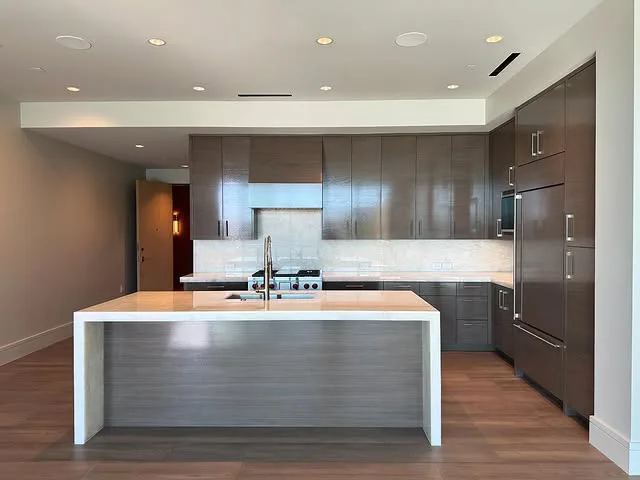
Quartz Kitchen Countertops vs. Granite: Choosing for Las Vegas Homes
Selecting the right countertop material for your Las Vegas kitchen requires understanding how quartz and granite perform in the desert climate and match your lifestyle needs. Both materials offer distinct advantages, from granite’s natural heat resistance to quartz’s non-porous durability and low maintenance requirements.
For most Las Vegas homeowners, quartz countertops provide better overall value due to minimal maintenance needs and superior stain resistance, while granite remains the preferred choice for those who prioritize natural beauty and heat tolerance. Your decision depends on factors including your cooking habits, willingness to perform regular sealing, budget considerations, and design preferences.
This comparison examines how each material handles the unique challenges of Las Vegas homes, from extreme temperature fluctuations to water quality concerns. You’ll learn about appearance options, long-term maintenance costs, durability differences, and which material best suits your specific situation.
Free Estimate
Get a free estimate for quartz countertops, granite and marble countertops, slab shower walls, and custom stone fabrication in Las Vegas. Our team will review your project, answer your questions, and recommend the best options for your space, style, and budget.
Key Differences Between Quartz and Granite Countertops
Quartz and granite countertops differ fundamentally in their composition, manufacturing processes, and available brand options. Quartz is an engineered stone containing crushed minerals and resin, while granite is natural stone quarried directly from bedrock.
Material Composition and Structure
Quartz countertops contain over 90% ground quartz crystals combined with polymer resins and pigments. This engineered stone composition creates a non-porous surface that resists stains and bacteria without requiring sealant. The resin binding allows manufacturers to produce consistent patterns and a wider range of colors than natural stone.
Granite countertops are 100% natural stone cut from quarried bedrock. Each granite slab contains unique mineral compositions that create distinctive veining, flecks, and color variations. No two granite slabs are identical.
The porous nature of granite means it absorbs liquids unless properly sealed. You’ll need to seal your granite countertops at installation and reseal them annually to maintain stain resistance. Quartz requires no sealing and needs only soap and water for cleaning.
How Quartz and Granite Are Made
Quartz production involves crushing natural quartz crystals and mixing them with resins under intense heat and pressure. Manufacturers add pigments during this process to create specific colors and patterns. The mixture is formed into slabs, cured, and polished to create your kitchen countertops.
Granite extraction begins at quarries where large blocks are cut from bedrock using specialized equipment. These blocks are transported to fabrication facilities, sliced into slabs, and polished. The natural stone requires minimal processing beyond cutting and finishing, preserving the organic patterns formed over millions of years.
Popular Countertop Brands
| Quartz Brands | Cost Per Square Foot |
|---|---|
| Cambria | $60 – $125 |
| Caesarstone | $50 – $100 |
| Silestone | $60 – $140 |
| Corian Quartz | $50 – $150 |
| Hanstone | $50 – $130 |
| LG Viatera | $65 – $75 |
Leading granite brands include AGM, Daltile, Levantina, MSI Surfaces, and Sensa by Cosentino. Granite pricing typically ranges from $80 to $150 per square foot installed. Your choice of brand affects quality level, color selection, and warranty coverage for both materials.
Appearance and Design Options
Quartz countertops offer engineered consistency with virtually unlimited color options, while granite countertops provide natural stone patterns that make each slab unique. Your choice between these materials significantly impacts your kitchen’s aesthetic.
Color Choices and Patterns
Quartz countertops give you access to a broader spectrum of colors, from pure whites and blacks to blues, greens, and reds that rarely appear in natural stone. Manufacturers can create consistent patterns throughout the material, including popular marble-like veining or uniform solid colors.
Granite colors depend on what nature provides. You’ll find classic options like black, white, gray, beige, and brown, plus variations with blue, green, or red mineral deposits. Each granite slab features unique veining, speckling, and color variations that cannot be replicated.
Pattern Consistency:
- Quartz: Uniform appearance across multiple slabs
- Granite: Each slab differs in pattern and intensity
Your kitchen design might require matching multiple countertop sections. Quartz makes this straightforward since batches maintain consistency. Granite requires careful slab selection to ensure adjacent pieces complement each other visually.
Natural vs. Engineered Look
Granite countertops deliver authentic natural stone with organic patterns formed over millions of years. The surface shows depth and dimension that comes from mineral crystals, mica flakes, and natural fissures.
Quartz provides an engineered appearance that can mimic granite, marble, or concrete. Modern manufacturing creates realistic stone looks, though close inspection reveals more uniform patterning. Some homeowners prefer this consistency, while others value granite’s natural variations.
Visual Characteristics:
- Granite: Depth from natural crystals, unique movement patterns, occasional mineral deposits
- Quartz: Controlled patterns, consistent coloring, optional glass or metallic inclusions
Matching Las Vegas Home Styles
Contemporary Las Vegas homes benefit from quartz’s clean lines and solid colors that complement minimalist designs. Whites, grays, and blacks with subtle veining work well in modern kitchens with sleek cabinetry.
Traditional and Mediterranean-style homes common in Las Vegas pair naturally with granite’s organic patterns. Warm beige and brown granite colors coordinate with earth-tone palettes popular in Southwestern architecture.
Desert modern aesthetics accommodate both materials. Quartz in concrete-look finishes suits industrial-inspired spaces, while granite with golden and rust tones echoes Nevada’s desert landscape. Your home’s existing finishes, cabinet colors, and backsplash choices guide which stone countertops create the cohesion your kitchen design requires.
Durability and Maintenance Requirements
Both materials perform well in Las Vegas kitchens, but they differ significantly in how they handle daily wear and the care they require. Quartz offers superior stain resistance and needs minimal upkeep, while granite provides excellent heat tolerance but demands more attention to maintain its appearance.
Resistance to Stains, Scratches, and Heat
Quartz countertops resist stains without any sealing because their engineered stone composition creates a non-porous surface. Spilled wine, coffee, or cooking oil won’t penetrate the material. These engineered stone countertops score a 7 on the Mohs hardness scale, making them highly scratch-resistant under normal kitchen use.
Granite countertops require regular sealing to prevent staining, especially from acidic substances like lemon juice or oil-based liquids. Without proper sealing, granite absorbs spills within hours. Sealed granite performs better but still needs immediate cleanup of potential staining agents.
Heat resistance favors granite significantly. You can place hot pots directly on granite surfaces that withstand temperatures up to 1200°F. Quartz only tolerates heat up to 300°F, meaning hot pans from your stove can cause permanent discoloration or damage. In Las Vegas’s warm climate where kitchen temperatures already run higher, this limitation becomes more noticeable with quartz.
Care and Cleaning Routines
Quartz requires only mild soap and water for daily cleaning. You’ll spend about 2-3 minutes wiping down surfaces with a microfiber cloth. No special products are necessary, and you don’t need to worry about pH levels or chemical reactions.
Granite demands more careful attention. You must use pH-neutral stone cleaners rather than standard household products. Acidic or abrasive cleaners damage the sealant and can etch the stone surface. Daily maintenance takes 5-7 minutes as you need to clean spills immediately and monitor the condition of the sealant. Common household items like vinegar or ammonia-based cleaners will deteriorate your granite’s protective seal over time.
Sealing and Longevity
Engineered stone countertops never need sealing because their manufacturing process creates a permanently non-porous surface. This eliminates recurring maintenance costs and simplifies long-term ownership.
Granite requires professional resealing every 1-2 years depending on usage intensity. Each sealing service costs approximately $300 in the Las Vegas area. Over 15 years, you’ll spend around $2,400 on sealing alone, plus $1,500 on specialized cleaning products compared to $750 for basic quartz cleaning supplies.
Both materials last decades when properly maintained. Quartz maintains its original appearance consistently, while granite develops a natural patina that some homeowners prefer. Neither material needs replacement under normal residential use, making both sound long-term investments for your home.
Cost Considerations and Value
Quartz and granite countertops represent significant investments with different price points and long-term financial implications. Understanding the upfront costs, variables that affect pricing, and how these materials perform in Las Vegas’s unique market helps you make a financially sound decision.
Material and Installation Costs
Quartz countertops cost $50 to $200 per square foot installed, with most projects averaging around $110 per square foot. The engineered stone’s pricing depends on brand selection, slab thickness, color complexity, and the percentage of natural quartz versus resin in the composition.
Granite countertops cost $80 to $150 per square foot installed for natural stone slabs. Higher-grade granite offers more dramatic color variation and better resistance to daily wear, which increases the price.
For a typical Las Vegas kitchen of 30 to 40 square feet, you’ll pay $1,500 to $8,000 for quartz or $2,400 to $6,000 for granite. While quartz can have a higher initial cost, granite requires ongoing sealing expenses that add to its lifetime price tag.
Factors Affecting Countertop Cost
Slab quality is the primary cost driver for both materials. First-choice quartz slabs contain higher percentages of natural minerals, while premium granite features fewer visible defects and richer patterns.
Edge profiles significantly impact your total cost. Standard edges like eased or beveled add minimal expense, but custom profiles such as ogee or waterfall edges increase labor time and material waste.
Color selection affects pricing differently for each material. Exotic granite colors from rare quarries command premium prices, while quartz pricing varies based on the complexity of manufactured patterns that mimic marble or other natural stones.
Installation complexity includes factors like cutouts for sinks and cooktops, backsplash installation, and your existing cabinet structure. Las Vegas homes with non-standard layouts or cabinets requiring reinforcement face higher installation costs.
Long-Term Value for Las Vegas Homeowners
Quartz requires only soap and water cleaning with no sealing, eliminating ongoing maintenance costs. This low-maintenance characteristic particularly benefits Las Vegas homeowners in dusty desert conditions where countertops need frequent cleaning.
Granite needs professional sealing at installation and resealing annually, adding $100 to $300 per year to your maintenance budget. The porous nature of granite makes prompt spill cleanup essential to prevent staining, especially in busy kitchens.
Both materials add comparable resale value to Las Vegas homes, where quality countertops are expected in mid-range to luxury properties. Quartz appeals to buyers seeking modern, low-maintenance features, while granite attracts those who value natural stone’s unique character. Your choice should align with your budget, maintenance preferences, and how long you plan to stay in your home.
Suitability for Las Vegas Homes and Lifestyles
Las Vegas presents unique environmental challenges that directly impact kitchen countertops performance and longevity. The desert climate’s extreme heat, low humidity, and intense UV exposure require materials that can withstand these conditions while meeting the demands of modern cooking and entertaining spaces.
Performance in Local Climate
Las Vegas temperatures frequently exceed 100°F during summer months, creating intense heat that transfers into homes even with air conditioning. Granite handles this climate exceptionally well due to its natural heat resistance, allowing you to place hot pots and pans directly on the surface without damage. The low humidity levels actually benefit granite by reducing moisture-related issues.
Quartz performs adequately in Las Vegas homes but requires more caution during extreme heat. Direct sunlight through windows can cause discoloration or warping in some quartz products, particularly near large windows or sliding glass doors. You should use window treatments to protect quartz surfaces during peak sun hours.
Both materials resist the dust and sand common in desert environments. Quartz’s non-porous surface makes daily cleaning easier since particles don’t penetrate the material. Granite requires proper sealing to maintain its resistance to fine desert dust that can work into unsealed pores.
Best Uses for Each Countertop Material
Granite works best for:
- Outdoor kitchens and covered patios where heat resistance is critical
- Traditional or Mediterranean-style homes that complement natural stone aesthetics
- High-use cooking areas where hot cookware frequently contacts countertops
- Kitchen renovation projects prioritizing authentic natural materials
Quartz suits:
- Modern or contemporary Las Vegas homes with sleek design schemes
- Family kitchens requiring minimal maintenance and maximum stain resistance
- Interior kitchen countertops away from direct sun exposure
- Busy households needing hygienic, bacteria-resistant surfaces
Both materials work well for kitchen islands, but consider your cooking habits. If you frequently use the island as a hot food landing zone, granite provides more peace of mind.
Professional Installation and Final Decision-Making
Selecting between quartz and granite requires careful consideration of your specific needs, but equally important is ensuring proper installation by qualified professionals. The quality of installation directly impacts the longevity and appearance of your investment.
Importance of Expert Installation
Professional installation protects your countertop investment and prevents costly mistakes. Both quartz and granite require precise measurements, specialized cutting tools, and proper handling techniques that only experienced fabricators possess.
Licensed installers understand Las Vegas-specific challenges, including temperature fluctuations that affect adhesive curing and seam placement. Quartz typically requires 10-14 days from template to installation, while granite needs 14-21 days due to slab selection time.
Key installation factors include:
- Proper support structure for heavy stone materials
- Accurate template creation to minimize waste and ensure fit
- Professional seam placement that maximizes appearance
- Correct adhesive application for long-term stability
Verify your installer carries appropriate licensing and insurance. Request references from recent projects and examine their work quality. Most professional installations include 1-2 year warranties on fabrication and installation workmanship.
Choosing the Right Countertop for Your Needs
Your kitchen renovation should align with your lifestyle and maintenance preferences. Quartz suits busy households needing stain resistance and minimal upkeep, requiring only 2-3 minutes daily cleaning versus granite’s 5-7 minutes.
Consider heat exposure patterns in your cooking routine. Granite handles temperatures up to 1,200°F without damage, while quartz tolerates only 300°F before potential discoloration. If you frequently place hot cookware directly from the stove, granite offers superior performance.
Budget considerations beyond initial cost:
- Quartz 15-year total: Approximately $4,300-$4,500
- Granite 15-year total: Approximately $8,000-$9,000
Evaluate aesthetic preferences honestly. Quartz provides consistent patterns ideal for matching multiple slabs, while granite delivers unique natural variations. Visit showrooms to examine full slabs under lighting similar to your home before finalizing your decision.
Frequently Asked Questions
Both materials have similar price ranges but differ in composition, maintenance needs, and performance characteristics that matter for Las Vegas homeowners.
How do quartz and granite countertops compare in total cost, including installation in Las Vegas?
Quartz countertops typically cost $50 to $200 per square foot installed, while granite ranges from $80 to $150 per square foot. For a standard 30 to 40 square foot kitchen, you can expect to pay $1,500 to $8,000 for quartz or $2,400 to $6,000 for granite.
The upfront cost overlap between these materials means your choice often depends more on the specific brand, quality level, and color you select. However, granite requires annual sealing and more careful maintenance, which increases its lifetime cost beyond the initial installation.
Las Vegas installers may charge differently based on local market conditions and the complexity of your layout. Edge profiles, cutouts for sinks and cooktops, and backsplash work all add to the final price regardless of which material you choose.
What are the main pros and cons of quartz versus granite for everyday kitchen use?
Quartz offers superior stain resistance and requires virtually no maintenance beyond cleaning with soap and water. The engineered material is non-porous, so you never need to seal it, and it resists bacteria growth naturally.
Granite provides a completely unique, natural appearance with distinctive veining and mineral patterns that make each slab one-of-a-kind. The natural stone adds a high-end aesthetic that many homeowners value, but it needs sealing upon installation and resealing approximately once a year.
In Las Vegas kitchens where summer heat can be intense, both materials perform well under normal cooking conditions. Quartz handles everyday wear better with its scratch resistance, while granite’s solid slab construction makes it less prone to chipping or cracking from impact.
Which countertop material is more durable and resistant to heat, scratching, and stains—quartz or granite?
Quartz demonstrates superior resistance to scratches and stains compared to granite. The engineered composition creates a harder, more uniform surface that stands up to daily wear from cutting boards, utensils, and acidic spills.
Granite handles heat exposure better than quartz. You can place hot pots and pans directly on granite without damage, while quartz can discolor or sustain damage from excessive heat due to the resin binders in its composition.
For stain resistance, quartz wins because its non-porous surface prevents liquids from penetrating. Granite is somewhat porous and can absorb wine, oil, or other liquids if not properly sealed, requiring prompt cleanup of spills to prevent permanent staining.
How can you tell whether a countertop is quartz or granite when viewing a home or showroom?
Granite displays natural imperfections, variations, and a slightly textured surface that reflects its origin as quarried stone. Each granite slab has unique patterns with no two installations looking identical, featuring organic veining and mineral deposits.
Quartz has a more uniform, consistent appearance with smooth patterns that repeat predictably across the surface. The manufactured material feels completely smooth to the touch without the subtle texture variations found in natural stone.
If you see a countertop with completely uniform coloring or patterns that look identical from one section to another, it’s likely quartz. Natural stone variation and imperfections indicate granite.
What is the typical price per square foot for quartz compared with granite in the Las Vegas market?
The Las Vegas market generally follows national pricing trends with quartz at $50 to $200 per square foot installed and granite at $80 to $150 per square foot installed. The actual price you pay depends on your selected material grade, color rarity, and slab thickness.
Premium quartz brands like Cambria cost $60 to $125 per square foot, while Caesarstone ranges from $50 to $100 per square foot. Silestone typically runs $60 to $140 per square foot depending on the color and finish you select.
Higher-grade granite slabs with dramatic veining or rare colors command premium prices at the top of the range. Builder-grade granite with simpler patterns typically costs less, falling toward the lower end of the pricing spectrum.
Are there any current trends or reasons some homeowners are choosing quartz less often than before?
Some homeowners prefer the authentic, natural aesthetic that only granite can provide. The unique variations and organic patterns in each granite slab appeal to buyers seeking a high-end, natural stone look that manufactured materials cannot replicate.
Environmental considerations influence some decisions, as granite extraction and processing typically requires less energy than the manufacturing processes for engineered quartz. Using recycled quartz content can mitigate some environmental concerns with quartz countertops.
Heat sensitivity in quartz makes some homeowners hesitate, particularly those who frequently cook and prefer placing hot cookware directly on counters. Granite’s superior heat resistance provides more flexibility for cooking-focused households.
0 comments